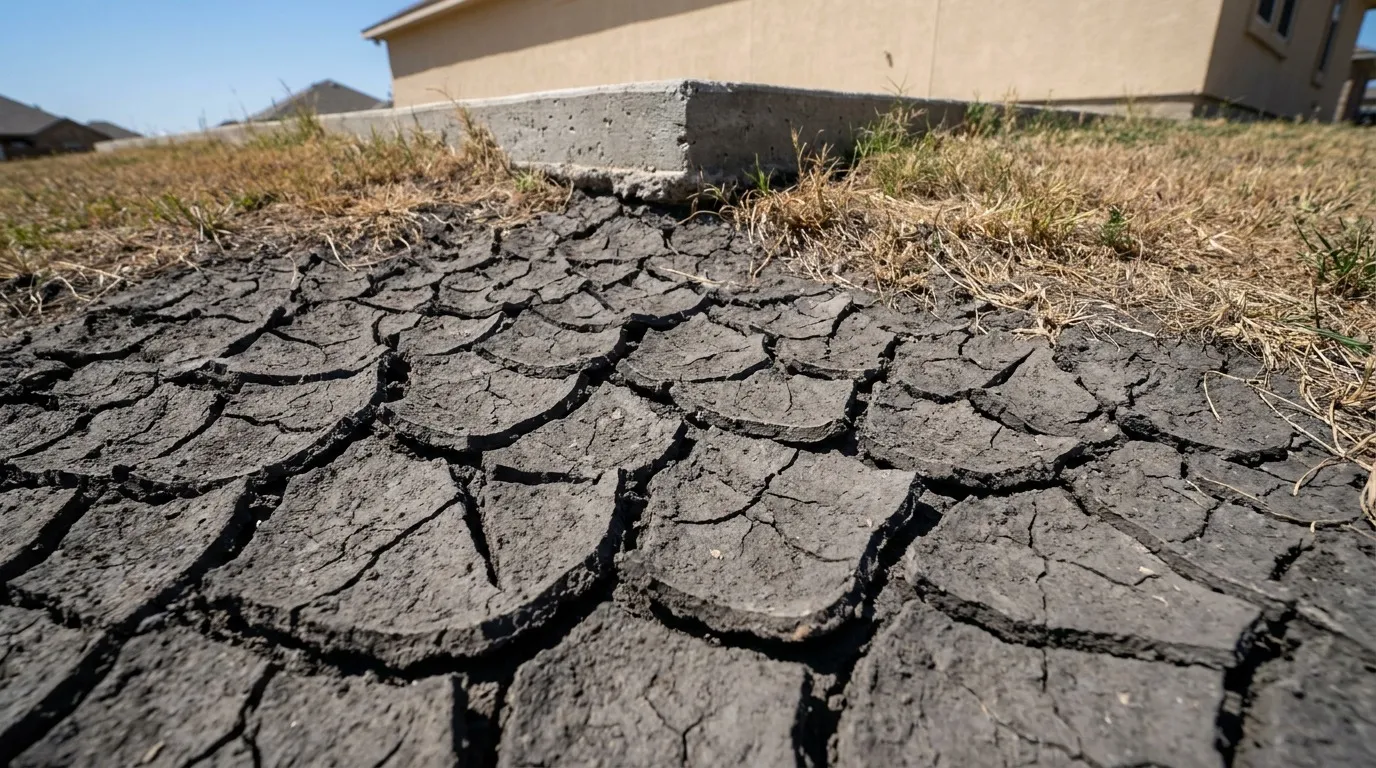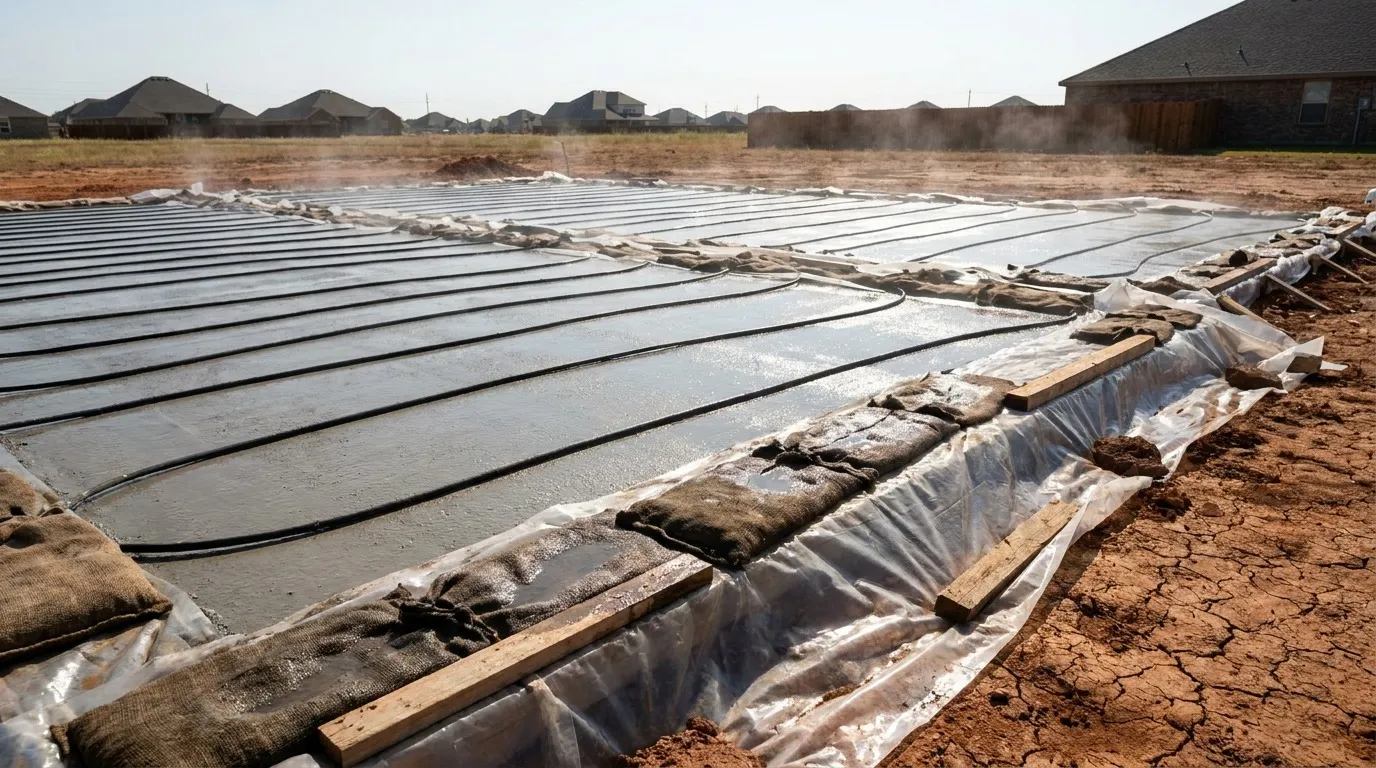
The best time of year to build a house in Denton, TX is fall (September through early November), when mild weather, higher contractor availability, stable material supply, and 15 to 25% lower costs converge before winter cold snaps arrive.
Choosing the right time to break ground on your new home in Denton, TX can save you thousands of dollars and months of weather-related headaches. The timing of your construction project directly affects how quickly concrete cures in the Texas heat, whether spring storms will delay your foundation work, and whether you will be competing for a general contractor during their busiest season.
At Tristar Built, we work as a full-service Denton home builder and plan build schedules around Denton's seasonal realities every year. This guide walks you through Denton's seasonal construction windows with insights drawn from nearly two decades of local experience. For related sequencing details, see our North Texas remodel timeline guide.
Denton experiences a humid subtropical climate that directly impacts construction timelines and material performance. The hot season runs from June 3 through September 17, with average daily highs exceeding 88 F. During transitional months like April, temperatures can swing 30 to 40 degrees within a single day, creating unpredictable working conditions that affect both labor scheduling and material performance. March through May offers warmer temperatures without the oppressive summer heat, making it a popular choice for residential construction.
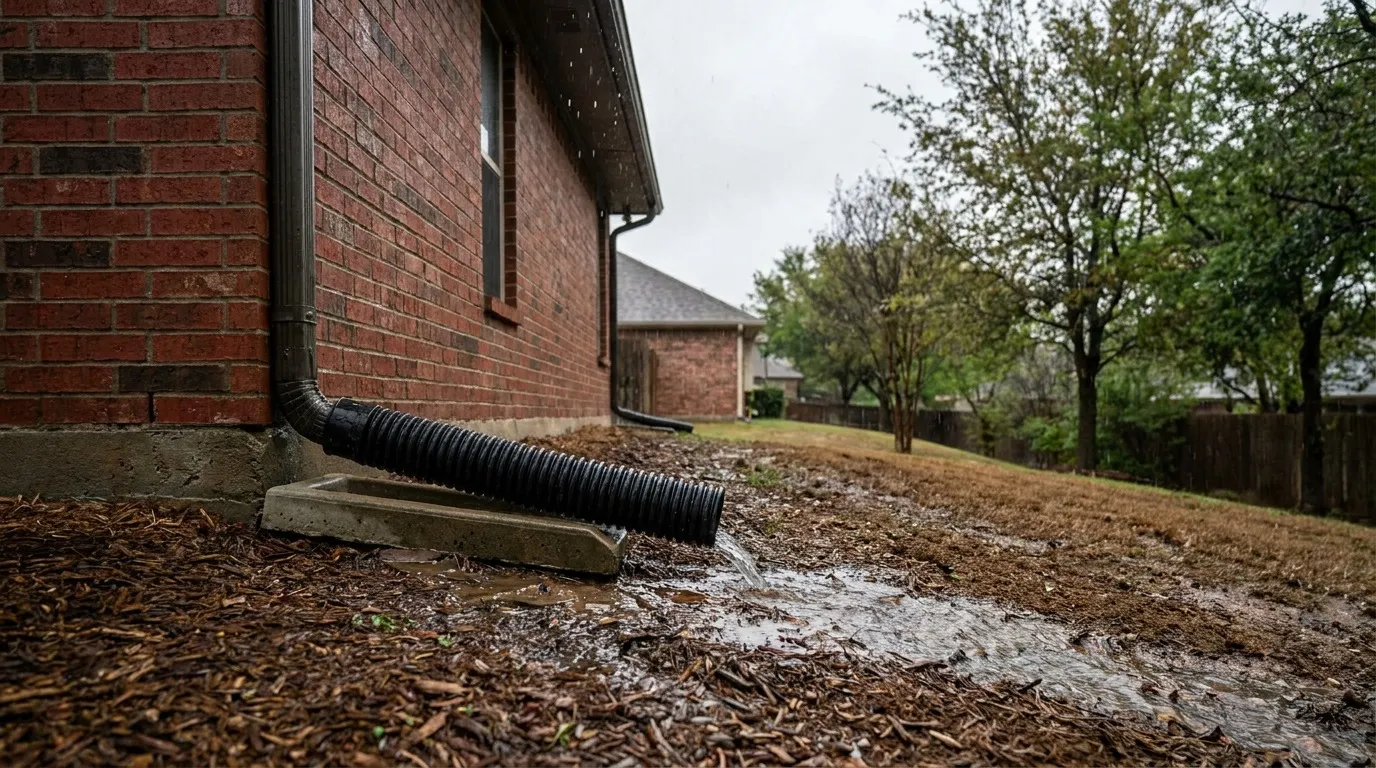
The biggest obstacle to spring construction is rainfall. May brings the highest annual precipitation at 138mm (5.4 inches), creating unsafe working conditions, muddy sites, and moisture management requirements. Heavy downpours require waterproof covers, temporary drainage solutions, and post-storm inspections. Spring soil saturation affects bearing capacity and can lead to settling or shifting foundations. When soil is waterlogged, it becomes softer and less stable, which is particularly problematic during the critical foundation phase. Experienced general contractors know that April's volatility requires 10 to 20% contingency buffering.
| Spring Metric | Impact |
| May rainfall | 138mm (5.4 inches), highest month |
| Daily temperature swing | 30 to 40 F in April |
| Recommended contingency | 10 to 20% |
| Soil condition risk | Saturation, softened bearing |
| Best-fit work | Foundation forms once dried |
Texas summers are relatively dry compared to spring and fall, translating into fewer rain-related delays. This dry period allows uninterrupted exterior work including roofing, foundation curing, and yard grading. But the most serious summer challenge is not just discomfort. It is worker safety. Six Texas workers died from heat-related causes in 2024. Texas has no regulations requiring water breaks or worker heat protections beyond OSHA voluntary guidelines. Responsible builders implement their own safety protocols, but these come with schedule impacts.
Extreme heat compromises construction quality. Excessive heat causes concrete and asphalt to cure improperly, compromising long-term structural integrity. Exterior painting requires surface temperatures between 50 and 90 F, meaning summer afternoons frequently exceed optimal ranges. Paint applied in excessive heat may blister, crack, or fail to adhere properly. Construction firms implementing heat safety protocols often restrict outdoor work to early morning hours (5am to 11am), reducing productive work hours by 30 to 40%. This extended timeline increases equipment rental costs and often requires overtime premiums, typically adding 15 to 25% to project costs versus fall construction.
| Summer Challenge | Cost or Impact |
| Heat safety restrictions | 30 to 40% fewer productive hours |
| Overtime premiums | 15 to 25% cost increase |
| Concrete curing risk | Plastic shrinkage cracks |
| Painting temperature limit | 50 to 90 F surface |
| Preferred work window | 5am to 11am |
By late September, intensive summer temperatures fade, creating weather conditions more agreeable than spring. October through early November represents the peak optimal construction period in Denton. During this window you will experience daytime temperatures in the mid-60s to mid-80s, minimal afternoon thunderstorms, declining humidity, and comfortable working conditions that maximize productivity. Construction companies experience higher availability from September through early November, creating scheduling flexibility that spring cannot match. This stems from predictable industry cycles: residential construction concentrates in spring and summer, so by September many projects near completion and crews have greater flexibility.
Fall soil testing achieves optimal results by capturing moisture patterns established through summer drying and before fall precipitation increases. Accurate soil analysis is critical for proper foundation design, making fall the technically superior choice. Material suppliers maintain more stable inventory levels during fall versus spring's peak demand. A fall start allows you to complete foundation work, proceed through framing and structural phases, reach substantial completion with electrical, plumbing, and HVAC rough-ins, and enter finish work before weather deteriorates in late November or early December. For related planning, see our correct bathroom remodel order guide.
Denton winters are typically mild, with average nighttime lows in the 30s to 40s F and daytime highs in the 50s to 60s F. Interior construction work (flooring, drywall, plumbing, electrical) proceeds without weather constraints. The core problem with winter stems from sudden freezing temperatures. In January 2025, the City of Denton announced closure of all city facilities due to ongoing winter conditions. Concrete poured during freezing conditions fails to set properly, compromising structural integrity. The American Concrete Institute ACI 306R standard requires sustained temperatures above 40 F for proper chemical bonding. Asphalt installation demands ambient temperatures above 50 F. Roofing shingles cure optimally between 50 and 85 F.
Contractor availability and pricing vary sharply by season. Lead times for licensed contractors in high-demand trades extend 6 to 12 weeks beyond baseline off-season scheduling during peak windows. The price differential between peak and off-season construction can exceed 20%. This reflects genuine supply and demand economics in an industry facing significant labor shortages. Fall and winter offer quicker installation timelines, greater technician availability, and more favorable terms when crews are not juggling multiple peak-season projects.
| Season | Weather Fit | Contractor Availability | Cost Position |
| Spring (Mar-May) | Rain, mud, volatile | Peak demand | Higher |
| Summer (Jun-Aug) | Dry but dangerously hot | Peak demand | 15 to 25% higher |
| Fall (Sep-early Nov) | Mild, dry, stable | Highest | Best value |
| Winter (Dec-Feb) | Cold snaps risk pours | Lower demand | Lower, with restrictions |
Typical North Texas remodels take 2 to 9 months from design to completion. New home construction generally follows a similar timeline, though site preparation and foundation work can add months depending on lot conditions. Project timelines should incorporate 10 to 20% buffer time accounting for weather delays, permit processing delays, and material availability variations. Weather-related delays cost construction firms an average of $3,000 to $5,000 per day per crew. These costs ultimately impact your project budget.
If you plan to break ground in spring, understand that you are accepting higher costs, longer lead times, and weather-related delays in exchange for starting when the weather feels pleasant. If you can wait until fall, you will likely experience faster scheduling, better contractor availability, lower costs, and more predictable timelines. For a project starting in October, you can complete most structural work during ideal fall weather, move into interior work during mild winter months, and finish exterior details in spring, essentially capturing the best conditions for each phase.
October, with early November as a close second. Temperatures are mild, humidity is dropping, contractors are more available, material supply is stable, and cost is at its lowest point for the year. Foundation work performs best in this window.
Spring brings peak rainfall in May (5.4 inches), soil saturation, and daily temperature swings of 30 to 40 F in April. Fall gives you mild, dry weather, better contractor scheduling, and lower cost, all critical to a smooth build.
Summer construction typically adds 15 to 25% to your project cost versus fall. Heat safety restrictions cut productive hours by 30 to 40%, and overtime premiums plus extended equipment rentals stack on top.
Only with precautions. Concrete needs sustained temperatures above 40 F per ACI 306R. Cold snaps can shut down pours entirely. Interior work like drywall and flooring is safer during winter than structural exterior pours.
New construction in Denton typically runs 4 to 9 months depending on size, layout, and site prep. Add 10 to 20% buffer for weather, permit processing, and material lead times, especially during peak season.
During peak spring-summer season, expect 6 to 12 weeks of extra lead time on top of baseline scheduling. Off-season (fall and winter) reduces that wait significantly and often unlocks better pricing.
Plan for at least a few days of lost work per month during spring rains and one or two winter cold snap events. Contractors report $3,000 to $5,000 per day per crew in weather delay costs.
Permit processing in Denton typically runs 4 to 8 weeks depending on complexity. Complex builds run longer. Working with a locally registered builder shortens this because they know Denton's submission requirements.
Yes, for interior-heavy phases. Once your build is dried in, cold weather does not slow drywall, tile, flooring, cabinet, or paint work. Some builders sequence winter around interior scopes to avoid cold-weather concrete risk.
Yes. The North Texas construction industry faces a 30% labor shortage. Skilled trades split between multiple projects, and scheduling conflicts are worst during peak spring and summer months.
Time your build to the season and you will save money, avoid weather-driven rework, and get the attention your project deserves. Fall wins on almost every metric that matters: weather, cost, availability, and material supply. Spring feels appealing, but the rainfall math and peak-demand pricing rarely add up.
Tristar Built has nearly two decades of experience helping North Texas homeowners plan seasonal timing, weather considerations, and contractor availability to keep projects on schedule and on budget. We give you a transparent, realistic build plan before you commit.
Call (940) 280-0080 for a Denton new build consultation. Book a seasonal build planning session today.



Whether you’re remodeling a home, expanding a business, or starting from the ground up, TriStar Built is here to guide you every step of the way. With a focus on craftsmanship, communication, and results that last, we make the construction process clear, smooth, and worth every investment.

LOCATION: 2126 James Street, Denton, TX 76205
PHONE: (940) 381-2222
© 2025 TRISTAR BUILT - ALL RIGHTS RESERVED | WEB DESIGN & SEO BY: Authority Solutions®