
Working for a general contractor in Denton, Texas means operating in a state with no general contractor licensing requirements while navigating local registration processes in a thriving construction market worth over $682 million in active projects.
Texas stands apart as one of the few states requiring no state-level licensing for general contractors, creating unique opportunities in Denton's booming construction market. With over $682 million in active projects and 185 more in the pipeline, this thriving city offers substantial growth potential for construction professionals.
However, Denton maintains specific local registration requirements through its Building Safety Department that contractors must navigate alongside Texas's distinctive regulatory framework. Understanding these contractor licensing requirements becomes essential for operating legally while managing subcontractors, insurance obligations, and building code compliance.
This comprehensive guide covers everything from Denton's registration process to business formation, OSHA compliance, and market opportunities that position contractors for success in this dynamic construction environment.
Texas takes a unique approach to contractor regulation that sets it apart from most other states. The state operates without mandatory licensing requirements for general contractors, instead allowing local municipalities to establish their own registration systems. This creates a decentralized regulatory environment where contractors must navigate both state-level specialized trade requirements and local municipal registration processes.
Texas stands among the few states that do not require state-level licensing for general contractors, creating a more accessible entry point into the construction industry. This approach reflects the state's preference for local control and reduced regulatory barriers.
However, this freedom comes with important caveats:
The absence of state licensing does not eliminate regulatory oversight. Instead, it shifts responsibility to local jurisdictions and emphasizes proper business registration, insurance coverage, and compliance with building codes and safety standards.
The City of Denton requires all contractors performing work within city limits to register through the Building Safety Department. This local registration system serves as the primary regulatory mechanism for construction activities in the area.
Registration requirements include:
According to the City of Denton Building Safety Department, contractors must maintain current registration status to obtain permits for construction projects. The registration process helps ensure that contractors operating in Denton meet basic professional and financial standards.
Proper business structure selection significantly impacts liability exposure, tax obligations, and operational flexibility for general contractors. Most contractors in Texas choose Limited Liability Company (LLC) structures to balance liability protection with operational simplicity.
The business formation process involves several key steps. Contractors must file appropriate documents with the Texas Secretary of State, obtain necessary federal and state tax identification numbers, and establish proper accounting systems. LLCs offer protection from personal liability for business debts while maintaining relatively simple operational requirements compared to corporations.
Partnership structures may work for multi-owner businesses, while sole proprietorships offer simplicity but expose owners to unlimited personal liability. The choice of business entity affects everything from insurance requirements to employee classification rules and tax obligations.
Comprehensive insurance coverage represents a fundamental requirement for construction operations, protecting contractors from liability exposure while satisfying regulatory and client requirements. Texas's unique workers' compensation system and local insurance requirements create specific considerations for Denton contractors.
General liability insurance protects contractors against claims for property damage, bodily injury, and professional negligence arising from construction activities. Coverage typically ranges from $1 million to $2 million per occurrence, depending on project requirements and client specifications.
Key coverage areas include:
The construction industry's inherent risks make general liability coverage essential for sustainable operations. Clients increasingly require proof of coverage before contract execution, while municipal registration often mandates specific coverage levels that name the city as an additional insured.
Texas operates an optional workers' compensation system, making it one of the few states where private employers can choose whether to carry coverage. However, this apparent flexibility comes with significant caveats that affect most construction operations.
Coverage becomes mandatory for:
Contractors choosing to opt out of workers' compensation assume direct liability for all workplace injuries. This exposure can prove financially devastating given the construction industry's elevated injury rates and potential for catastrophic accidents requiring extensive medical treatment.
Project bonding requirements vary significantly based on project type, client requirements, and contract value. Performance bonds guarantee project completion according to contract specifications, while payment bonds protect subcontractors and suppliers from non-payment.
Surety companies evaluate contractors based on financial strength, project experience, and operational track record. New contractors often face challenges obtaining bonding, requiring gradual capacity building through successful project completion and financial strengthening.
Financial responsibility extends beyond bonding to include maintaining adequate working capital, establishing credit relationships with suppliers, and demonstrating capacity to fund project operations during payment cycles that often extend 30-60 days.
Construction in Denton operates under a comprehensive regulatory framework based on the International Building Code with potential local amendments. Understanding permit requirements, inspection schedules, and code-compliance procedures is essential for successful project completion and regulatory compliance.
Texas municipalities, including Denton, have adopted the International Building Code as the foundation for local construction standards. This standardized approach provides consistency while allowing local amendments to address specific regional concerns.
The IBC covers multiple construction aspects:
Local amendments may address specific concerns such as wind load requirements, soil conditions, or regional construction practices. Contractors must stay current with both IBC updates and local modifications to ensure ongoing compliance.
The permit process serves as the primary mechanism for ensuring code compliance and proper construction practices. Denton's Building Safety Department reviews applications, issues permits, and conducts inspections throughout the construction process.
Standard permit requirements include detailed construction drawings, structural calculations for complex projects, and proof of contractor registration. The review process examines plans for code compliance, structural adequacy, and coordination with utility systems.
According to the City of Denton Building Safety Department, permit processing times vary based on project complexity and review workload. Simple residential projects may receive approval within days, while complex commercial developments require weeks for thorough review.
Construction inspections occur at predetermined stages to verify compliance with approved plans and applicable codes. Inspection scheduling requires coordination with municipal inspectors and adherence to proper notification procedures.
Typical inspection stages include:
Failed inspections require correction of identified deficiencies before work can proceed. Contractors must understand inspection criteria and maintain quality control systems to minimize delays and ensure successful approval at each stage.
Workplace safety compliance under Occupational Safety and Health Administration regulations represents a critical operational requirement for construction contractors. OSHA construction standards impose specific requirements for fall protection, hazard communication, and site safety management that directly impact daily operations and long-term business sustainability.
OSHA construction standards require fall protection at heights of six feet or more, making this among the most frequently cited compliance areas in construction operations. Proper fall protection systems prevent injuries while avoiding costly citations and work stoppages.
Acceptable fall protection methods include:
Fall protection violations consistently rank among OSHA's most frequently cited construction violations. According to OSHA construction safety standards Title 29 CFR Part 1926, employers must provide fall protection training and ensure proper equipment use across all elevated work activities.
Construction sites contain numerous hazardous materials requiring proper identification, storage, and handling procedures. OSHA's Hazard Communication Standard mandates comprehensive programs for chemical safety and worker protection.
Working as a general contractor in Denton requires mastering Texas's unique regulatory landscape where state-level licensing gives way to local registration requirements. Success depends on navigating municipal compliance, maintaining comprehensive insurance coverage, and establishing proper business structures while capitalizing on Denton's robust construction market worth over $682 million in active projects.
The combination of accessible entry requirements and substantial market opportunities creates an environment where prepared contractors can build thriving businesses. However, success requires careful attention to safety compliance, proper subcontractor management, and ongoing regulatory adherence. Ready to establish your general contracting business in Denton? Contact a local business formation specialist to ensure proper registration and compliance from day one.
Texas does not require state-level licensing for general contractors. However, you must register with Denton's Building Safety Department annually. Specialized trades like electrical, plumbing, and HVAC work require state licensing. You'll also need appropriate insurance naming the city as certificate holder.
While specific registration costs aren't detailed, Denton requires annual contractor registration through the Building Safety Department. The cost varies based on your business structure and scope of work. Contact Denton's Building Safety Department directly for current fee schedules and registration requirements.
General contractors in Denton must carry comprehensive insurance including general liability coverage. Workers' compensation is optional in Texas but becomes mandatory for public projects. Insurance policies must name the city as certificate holder when registering with Denton's Building Safety Department.
Building permits are obtained through Denton's Building Safety Department, which oversees the permitting and inspection process. Denton has adopted the International Building Code with potential local amendments. Projects must undergo proper inspection procedures to ensure building code compliance throughout construction.
OSHA construction standards apply to all Texas construction projects, requiring fall protection at heights of six feet or more. General contractors bear ultimate responsibility for ensuring all subcontractors comply with OSHA regulations. Safety compliance represents an ongoing operational requirement for construction businesses.
While Texas doesn't require state-level general contractor licensing, you still must register with Denton's Building Safety Department. This registration requirement applies regardless of whether you work as an independent contractor or establish a formal business entity. Specialized trade work requires appropriate state licensing.
General contractor salaries in Denton typically range from $50,000 to $70,000 annually. Actual compensation varies based on experience, project types, and business structure. The robust local construction market with over $682 million in current projects creates opportunities for established contractors.
The subcontractor management model predominates in Denton construction, requiring sophisticated coordination systems and clear contractual relationships. General contractors bear ultimate responsibility for subcontractor performance and regulatory compliance. Effective quality control mechanisms are essential for successful subcontractor management in the area.
Denton has adopted the International Building Code with potential local amendments for construction projects. All work must comply with these codes through proper permitting and inspection procedures overseen by the Building Safety Department. Contractors should verify any local modifications to standard IBC requirements.
Denton currently has over $682 million in construction projects underway with 185 additional projects in the pipeline. Major developments include Landmark and Cole Ranch projects. This robust market supports established contractors while creating opportunities for new entrants willing to invest in professional development.

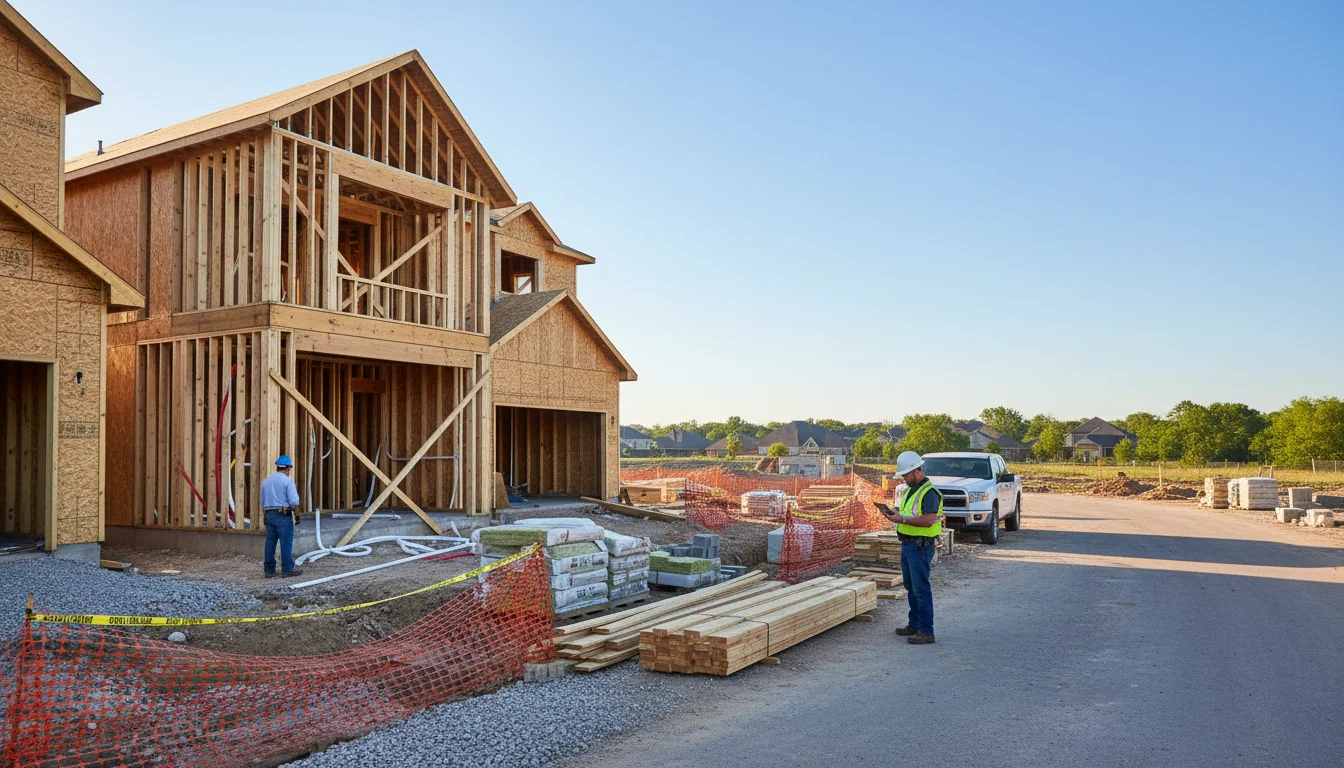
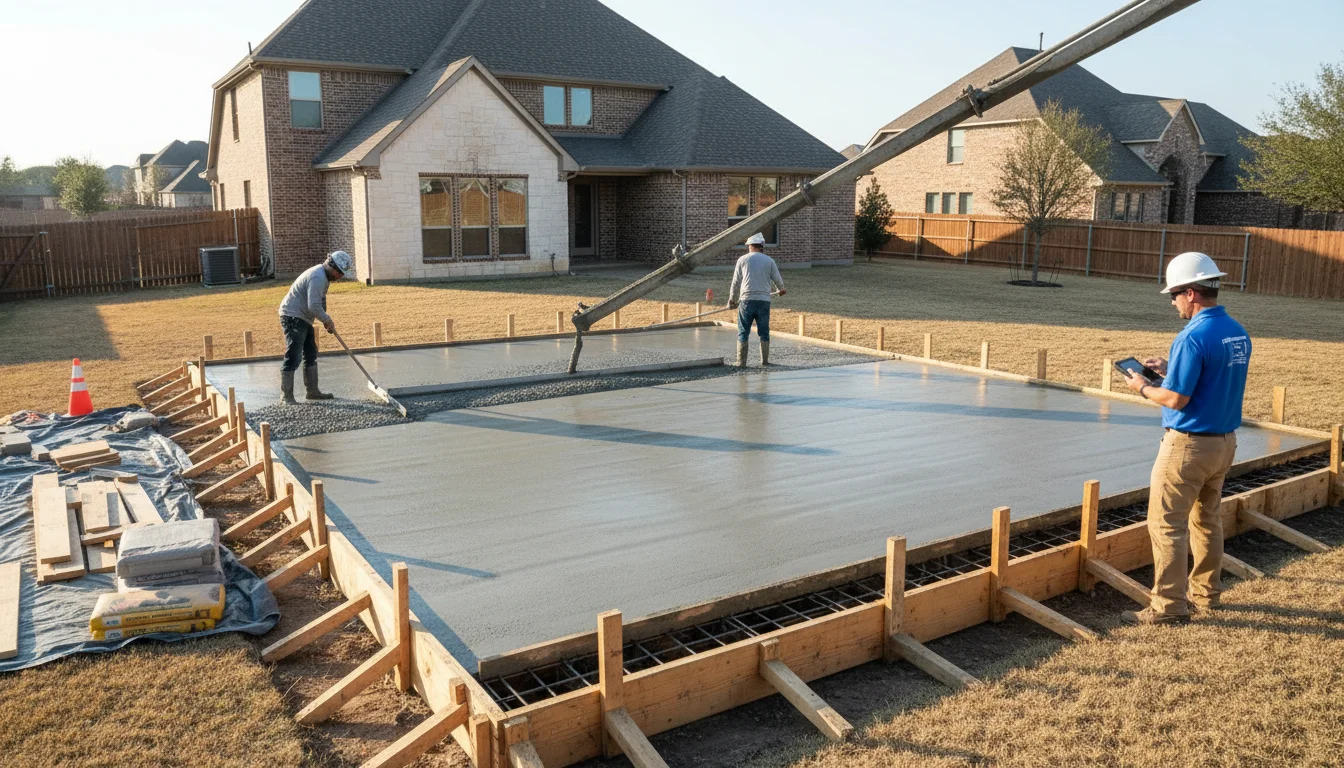
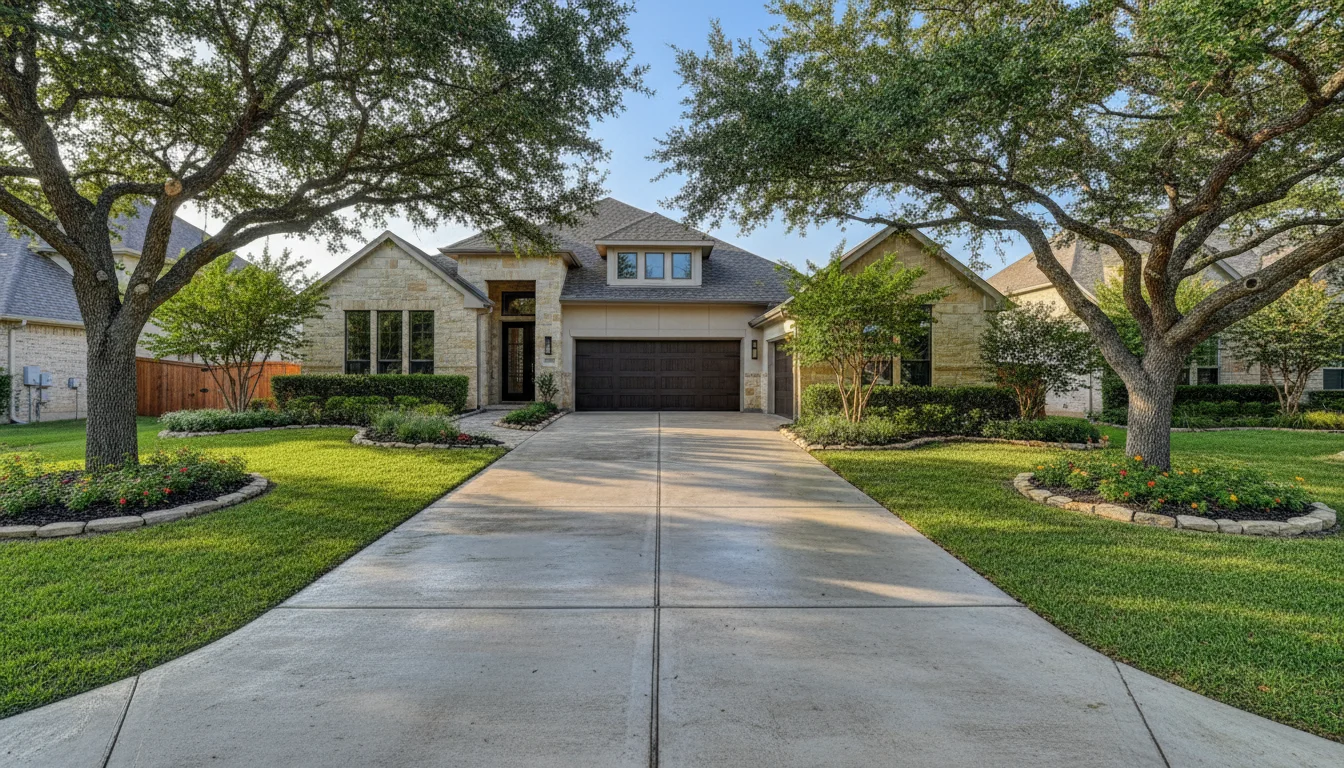


Whether you’re remodeling a home, expanding a business, or starting from the ground up, TriStar Built is here to guide you every step of the way. With a focus on craftsmanship, communication, and results that last, we make the construction process clear, smooth, and worth every investment.

LOCATION: 2126 James Street, Denton, TX 76205
PHONE: (940) 381-2222
© 2025 TRISTAR BUILT - ALL RIGHTS RESERVED | WEB DESIGN & SEO BY: Authority Solutions®