Home remodeling in Denton, TX, involves planning, designing, and executing residential renovations — from kitchen and bathroom remodels to whole-home updates and room additions — through a structured process that includes contractor selection, design collaboration, permitting, construction sequencing, and quality assurance. A professionally managed remodel transforms your home without the chaos of managing it yourself.
If you're thinking about remodeling your home in Denton County, you're not alone. North Texas is one of the fastest-growing regions in the country, and thousands of homeowners here are choosing to renovate instead of relocate — upgrading kitchens, transforming bathrooms, and expanding living spaces in the neighborhoods they already love. The challenge isn't deciding to remodel. It's knowing how the process actually works, what to expect from start to finish, and how to find a remodeling contractor in Denton County who delivers on their promises.
This guide covers every phase of the home remodeling process — from defining your project scope and vetting contractors to understanding permits, managing timelines, and protecting your investment. Whether you're planning a single-room refresh or a whole-home renovation, you'll walk away knowing exactly what a professionally managed remodel looks like in North Texas.
Successful remodeling starts with clear goals — defining exactly which rooms you're updating, what problems you're solving, and what you want the finished result to look and feel like. A well-defined scope prevents the two biggest remodeling headaches: scope creep that inflates your budget and vague plans that lead to on-the-fly decisions during construction.
The biggest mistake homeowners make isn't choosing the wrong tile or the wrong cabinet color. It's starting construction without a clearly defined scope. Every decision that isn't made before demolition day becomes a decision that gets made under pressure — and those pressure decisions almost always cost more and satisfy less.
Start by separating needs from wants. Needs are functional problems: the master bathroom has a leaking shower pan. The kitchen layout forces you to walk around an island to reach the stove. The guest bedroom doesn't have a closet that meets the current building code for a legal bedroom. Wants are aesthetic or lifestyle upgrades: you'd love a freestanding tub, a quartzite countertop, or an open-concept layout that connects the kitchen to the living room. Both categories are valid — but knowing which is which helps you make smart decisions when trade-offs come up.
Not all remodeling projects are independent. A kitchen remodel that moves plumbing affects the bathroom on the other side of that wall. Opening up a load-bearing wall requires structural engineering that changes the framing scope. Experienced remodeling contractors in Denton County evaluate these interdependencies during the initial consultation — before you fall in love with a design that creates a cascade of unplanned work.
The most common residential remodeling projects break down into three tiers:
Before any numbers get discussed, understand this: a remodel's timeline and complexity are driven by the scope of work, material lead times, and permit requirements — not by how quickly you want it done. Custom cabinetry can take 4 to 8 weeks to fabricate. Specialty tile and countertop materials may have 3- to 6-week lead times. Denton County permit reviews for structural changes typically take 2 to 4 weeks. These aren't delays — they're the reality of a quality renovation. A good contractor builds them into the schedule from day one.
| Planning Element | What to Define | Why It Matters |
| Project scope | Rooms, systems, and finishes included | Prevents scope creep and unplanned costs |
| Priority ranking | Needs vs. wants, ordered by importance | Guides budget allocation when trade-offs arise |
| Material selections | Cabinets, counters, tile, fixtures | Lead times affect the construction schedule directly |
| Interdependencies | Shared walls, plumbing runs, and electrical panels | One room's changes can affect adjacent spaces |
| Timeline expectations | Realistic duration based on scope | Prevents frustration from mismatched expectations |

Texas does not license general contractors at the state level, which means the responsibility for vetting a remodeling contractor falls entirely on you. Verify general liability and workers' compensation insurance, check references from recent local projects, review their estimating process, and confirm they use a documented project management system that keeps you informed throughout construction.
This is the section of the guide that can save you the most money and the most stress. In states that license contractors, the licensing board provides at least a baseline of accountability. Texas doesn't have that system. That means the same title — "remodeling contractor" — covers everything from a seasoned professional with 19 years of verifiable projects to someone with a truck and a business card.
Every remodeling contractor you're considering should be able to provide, without hesitation, the following:
Some warning signs are subtle. Others are loud enough to hear from across the room. Here are the ones Denton County homeowners encounter most often:
A remodeling contractor in Denton County who's been operating here for years understands things that an out-of-area company doesn't: which municipal office handles your permits, how long inspections take, which suppliers carry materials locally (avoiding shipping delays), and how North Texas humidity and temperature swings affect material choices like wood flooring, paint, and adhesives. Local also means accountability. A contractor based at 2126 James Street in Denton isn't disappearing after your check clears.
| Verification Item | What to Ask For | What a Good Answer Looks Like |
| Insurance | Current certificates for GL and WC | Provides within 24 hours, names you as additionally insured |
| References | 3–5 from the past 12 months | Local projects similar to yours, with phone numbers |
| Estimate | Detailed line-item breakdown | Labor, materials, permits, and contingency are all separated |
| Project management | How you'll be kept informed | Client portal with schedule, budget, photos, and messaging |
| Contract | Written scope, timeline, payment schedule | Clear milestones, no large upfront deposits |
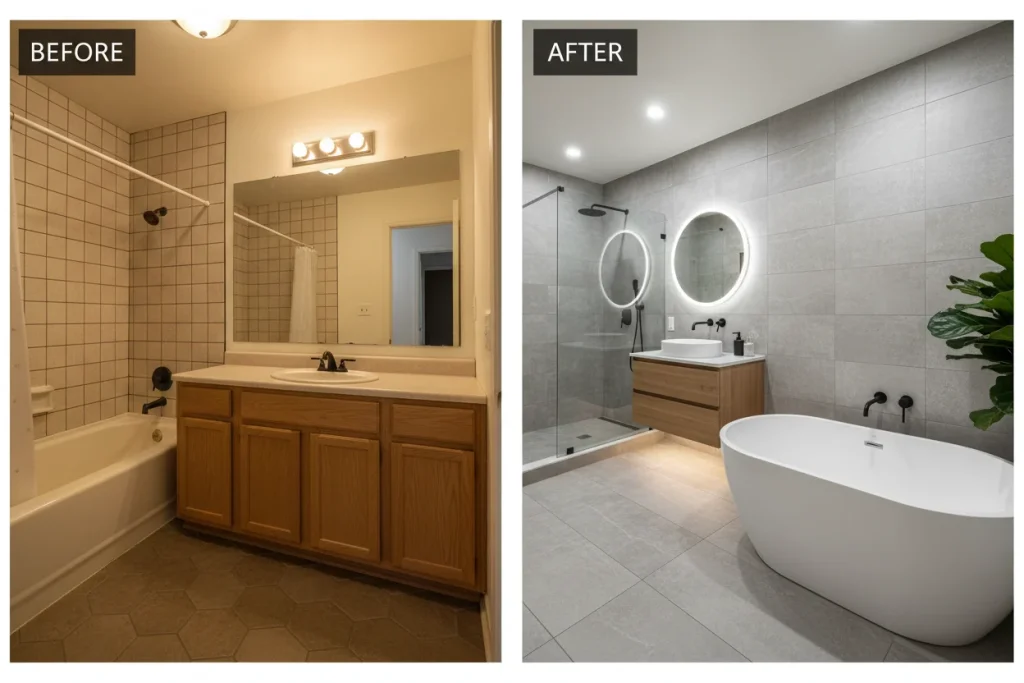
A professionally managed remodel follows a structured sequence: initial consultation, design and material selection, estimating, permitting, pre-construction preparation, demolition, rough-in trades (plumbing, electrical, HVAC), inspections, framing and drywall, finish work, final inspections, and a detailed walkthrough before final payment. Each phase depends on the one before it — skipping or rushing steps creates problems that surface months after the project is "done."
Understanding the process removes the anxiety. When you know what's supposed to happen at each stage, you can ask better questions, spot problems earlier, and feel confident that your project is on track.
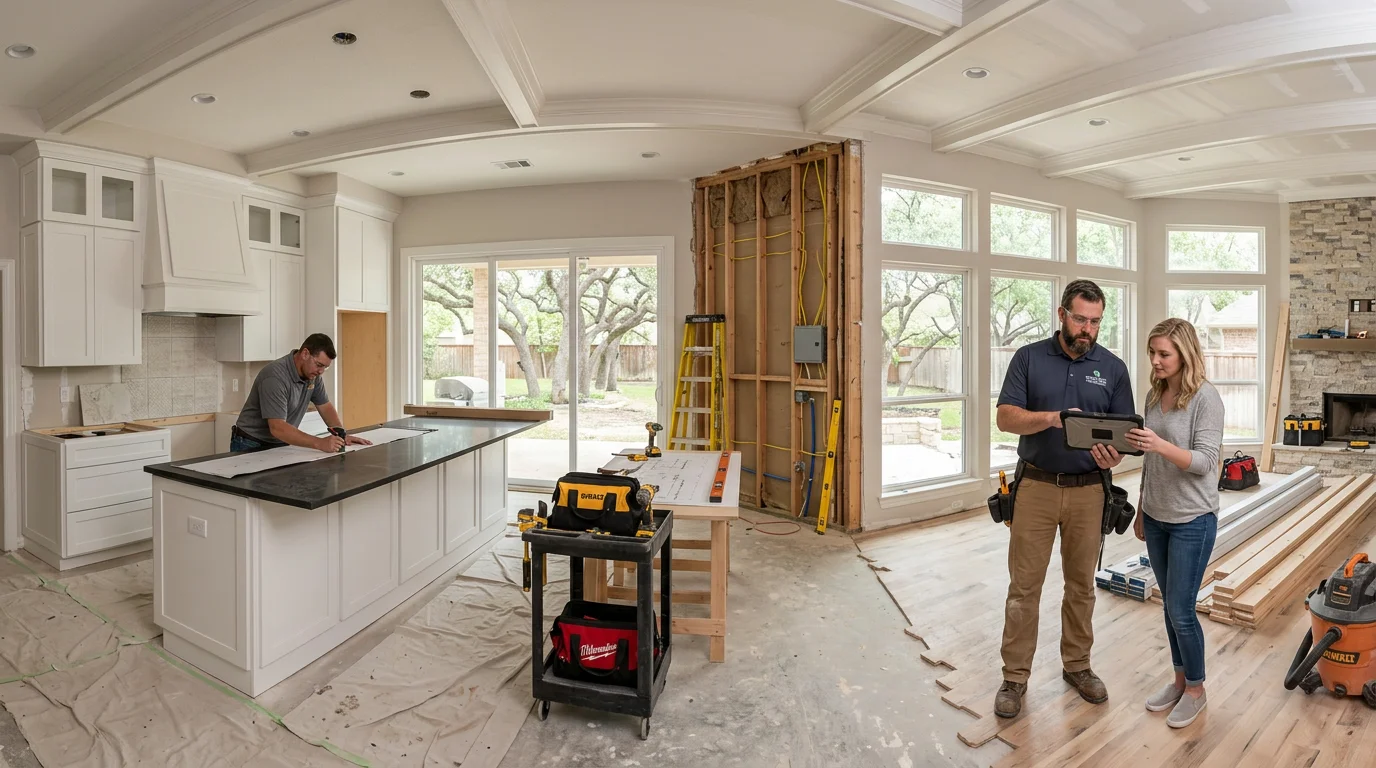
The remodel begins with a thorough consultation where the contractor evaluates your home, discusses your goals, and identifies any structural, mechanical, or code considerations that will affect the project. In North Texas, this includes assessing your home's foundation condition (expansive clay soils can create structural limitations), evaluating your electrical panel capacity (older Denton homes may need panel upgrades to support modern kitchen loads), and reviewing HVAC system capacity for any expanded or reconfigured spaces.
Design collaboration happens next — working with the contractor's design team or your own architect to create plans that balance your vision with structural reality and budget. Material selections are finalized during this phase, not during construction. Locking in cabinets, countertops, tile, fixtures, and flooring before construction begins prevents the schedule delays that come from waiting on decisions mid-project.
With the design finalized, the contractor produces a detailed estimate — line-item costs for every trade, material, and permit fee. Once you approve the scope and budget, the contractor pulls permits from the City of Denton (or your applicable municipality) and orders long-lead materials. Pre-construction preparation includes establishing the construction zone, setting up dust barriers to protect living areas, and coordinating the subcontractor schedule.
Construction follows a strict sequence that most homeowners never see behind the scenes:
The final walkthrough is your opportunity to inspect every element of the finished project with your contractor. Any punch-list items — a paint touch-up, an adjustment to a cabinet door, a trim piece that needs caulking — are documented and completed before final payment. This isn't a formality. It's the quality assurance step that separates professional remodeling from projects that end with a handshake and a list of unresolved issues.
Timelines depend on scope. A single bathroom remodel typically takes 4 to 8 weeks. A kitchen remodel runs 6 to 12 weeks. Whole-home renovations can take 3 to 6 months or longer. Add 2 to 4 weeks for Denton County permit review on projects involving structural or mechanical changes.
Any remodel involving structural changes, electrical work, plumbing modifications, or HVAC work requires permits from the City of Denton. Cosmetic updates like painting, flooring replacement, and fixture swaps typically don't require permits.
Verify general liability and workers' compensation insurance, request references from recent local projects, review their estimating process for line-item transparency, and confirm they use a project management system for communication. Texas doesn't license general contractors, so homeowner-driven vetting is essential.
A transparent estimate includes line-item costs for labor, materials, permits, and contingency — broken down by trade and project phase. Avoid lump-sum bids that don't show where your money is going.
For most kitchen and bathroom remodels, yes. The construction zone is sealed off with dust barriers, and utility disruptions are scheduled in advance. Whole-home renovations may require temporary relocation during the most disruptive phases.
Kitchens and bathrooms consistently deliver the highest return on investment for remodeling. In North Texas, updated kitchens with modern layouts and premium finishes are particularly valued in communities like Argyle, Flower Mound, and Highland Village.
Define your scope completely before construction begins, finalize all material selections before demolition, build a 10 to 15% contingency into your budget for unknowns, and work with a contractor who provides itemized estimates with real-time budget tracking.
Expansive clay soils affect any project touching your foundation. Extreme heat and UV exposure influence material selection. Denton County has specific permitting requirements. And because Texas doesn't license general contractors, contractor vetting carries more weight here than in licensed states.
JobTread is a construction project management platform that gives homeowners a client portal with real-time access to their project's schedule, budget, progress photos, documents, and direct messaging with the project team. It replaces phone-tag updates with documented transparency.
It depends on your budget, timeline tolerance, and the interdependencies between rooms. Whole-home remodeling is more efficient when rooms share walls, plumbing, or electrical systems — doing it in phases means re-mobilizing trades and potentially redoing work. A contractor can help you evaluate which approach makes more sense for your specific home.
Home remodeling in North Texas involves regional factors that generic renovation guides overlook — expansive clay soils that affect any project touching your foundation, extreme heat and humidity that influence material selection, Denton County's specific permitting requirements, and a competitive contractor market where vetting is critical because Texas doesn't license general contractors.
If you've read national remodeling guides, they'll tell you to set a budget, hire a contractor, and pick your finishes. What they won't tell you is how North Texas conditions shape every one of those decisions.
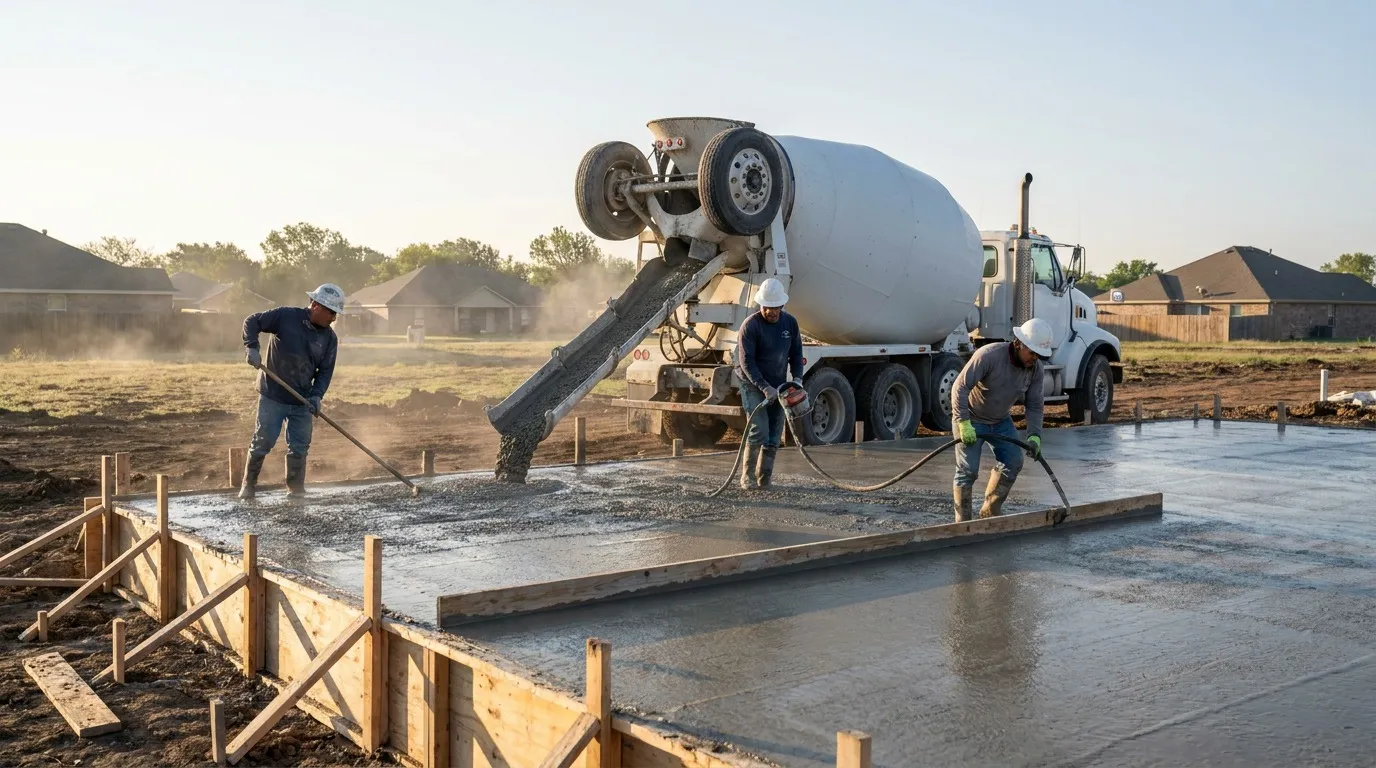
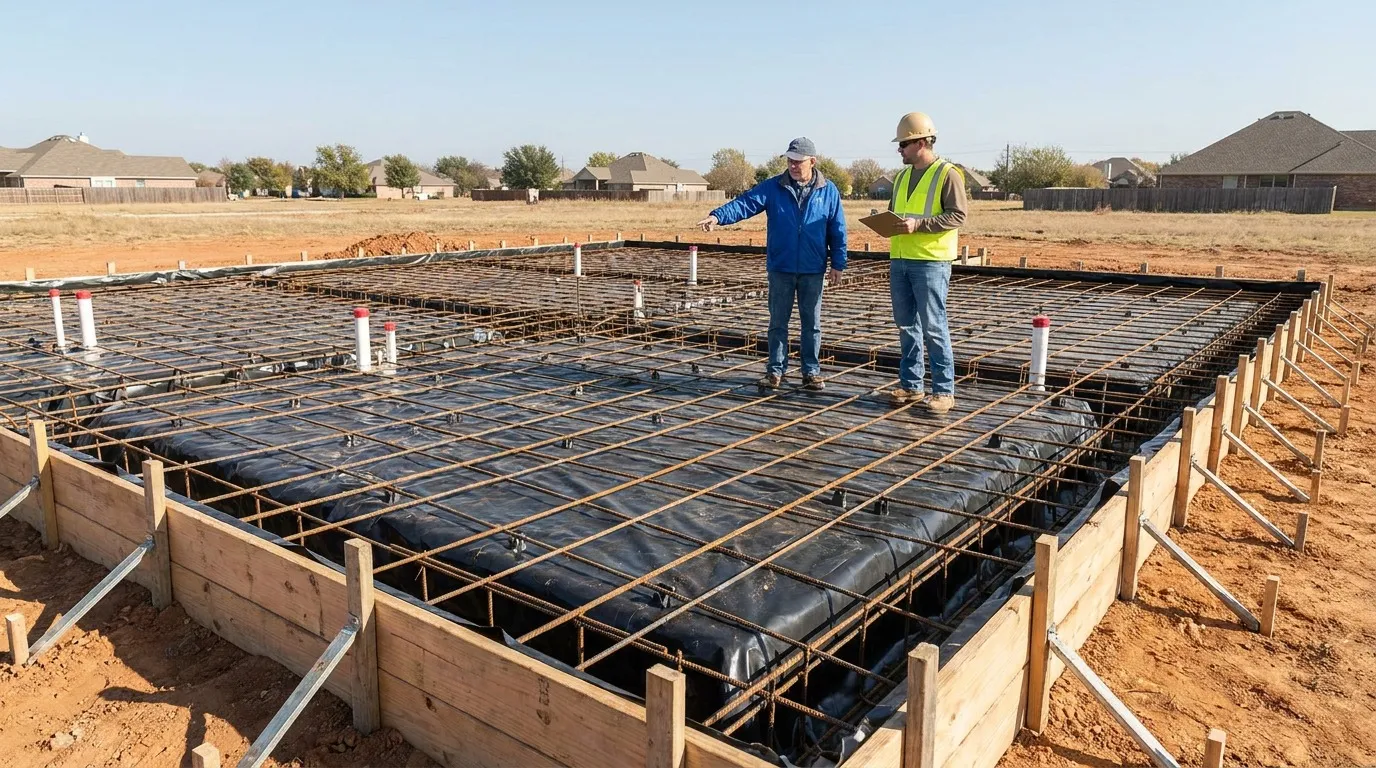
Any remodel that adds load to your foundation — removing a load-bearing wall, adding a room, or even installing heavy stone tile over a lightweight existing floor — needs to account for how your foundation interacts with Denton County's expansive clay. Soils here swell when wet and shrink during summer drought, creating seasonal movement that cracks foundations and shifts framing. An experienced local contractor evaluates foundation condition before designing structural changes, not after.
North Texas summers push 100 degrees with intense UV exposure, and humidity swings are dramatic between seasons. These conditions directly affect material durability. Engineered hardwood outperforms solid hardwood in our climate because it resists the expansion and contraction caused by changes in humidity. Exterior paint requires UV-resistant formulations to prevent fading and chalking. Tile adhesives and grout need to accommodate thermal movement caused by our extreme temperature range.
The City of Denton follows the 2021 International Building Codes with local amendments and permits through the eTRAKiT system. Any remodel involving structural changes, electrical modifications, plumbing relocation, or HVAC work requires permits and inspections. A contractor who's been pulling permits in Denton County for years knows the review timelines, the inspection scheduling process, and the specific code interpretations local inspectors apply — knowledge that helps prevent delays and failed inspections.
Denton's population grew by more than 32% between 2010 and 2022, and over $1.3 billion in construction permits were issued in a single fiscal year. That growth has attracted contractors of every caliber — from established local companies with decades of verifiable work to newcomers with minimal track records. The absence of state licensing means due diligence falls squarely on the homeowner. Choosing a locally owned company with documented history, verified insurance, and a transparent process isn't just a preference — it's protection.The remodeling process doesn't have to be stressful. It just has to be structured. TriStar Built has been guiding Denton County homeowners through every type of residential renovation since 2006 — from kitchen and bathroom remodels to whole-home transformations and room additions. Every project is managed through JobTread for real-time transparency, built by subcontractor crews who've been part of the team for over a decade, and backed by a multi-year track record as a Best of Denton award winner. Contact TriStar Built to start with a consultation that covers your goals, your timeline, and what the process actually looks like for your home.


Whether you’re remodeling a home, expanding a business, or starting from the ground up, TriStar Built is here to guide you every step of the way. With a focus on craftsmanship, communication, and results that last, we make the construction process clear, smooth, and worth every investment.

LOCATION: 2126 James Street, Denton, TX 76205
PHONE: (940) 381-2222
© 2025 TRISTAR BUILT - ALL RIGHTS RESERVED | WEB DESIGN & SEO BY: Authority Solutions®