A general contractor is the single person responsible for turning your construction project from a plan on paper into a finished result -- and in Texas, where the state does not license contractors, choosing the wrong one can cost you far more than money.
If you are a homeowner planning a remodel, a commercial property owner coordinating a tenant build-out, or someone preparing to break ground on a custom home, hiring a general contractor is likely the most consequential decision you will make during the entire project. The general contractor manages everything: scheduling subcontractors, ordering materials, pulling permits, coordinating inspections, maintaining the budget, and keeping the project moving forward on a timeline that makes sense.
The problem is that most property owners have never hired a general contractor before, and Texas makes the process harder than it needs to be. Without a state licensing requirement, the barrier to entry is nonexistent. The person bidding your $200,000 remodel might have 20 years of experience managing complex projects -- or they might have bought a truck last month and printed business cards this morning. From the outside, they can look exactly the same.
This guide explains what a general contractor actually does, why the role matters, and how to evaluate candidates in a state where no regulatory body is doing the vetting for you. We have been managing construction projects across Denton County and North Texas since 2006, and what follows is the process we would want our own families to follow if they were hiring someone other than us.

Before you can evaluate whether someone is a good general contractor, you need to understand what the role actually involves. Many homeowners assume a general contractor is simply someone who shows up with a crew and builds things. The reality is far more complex.
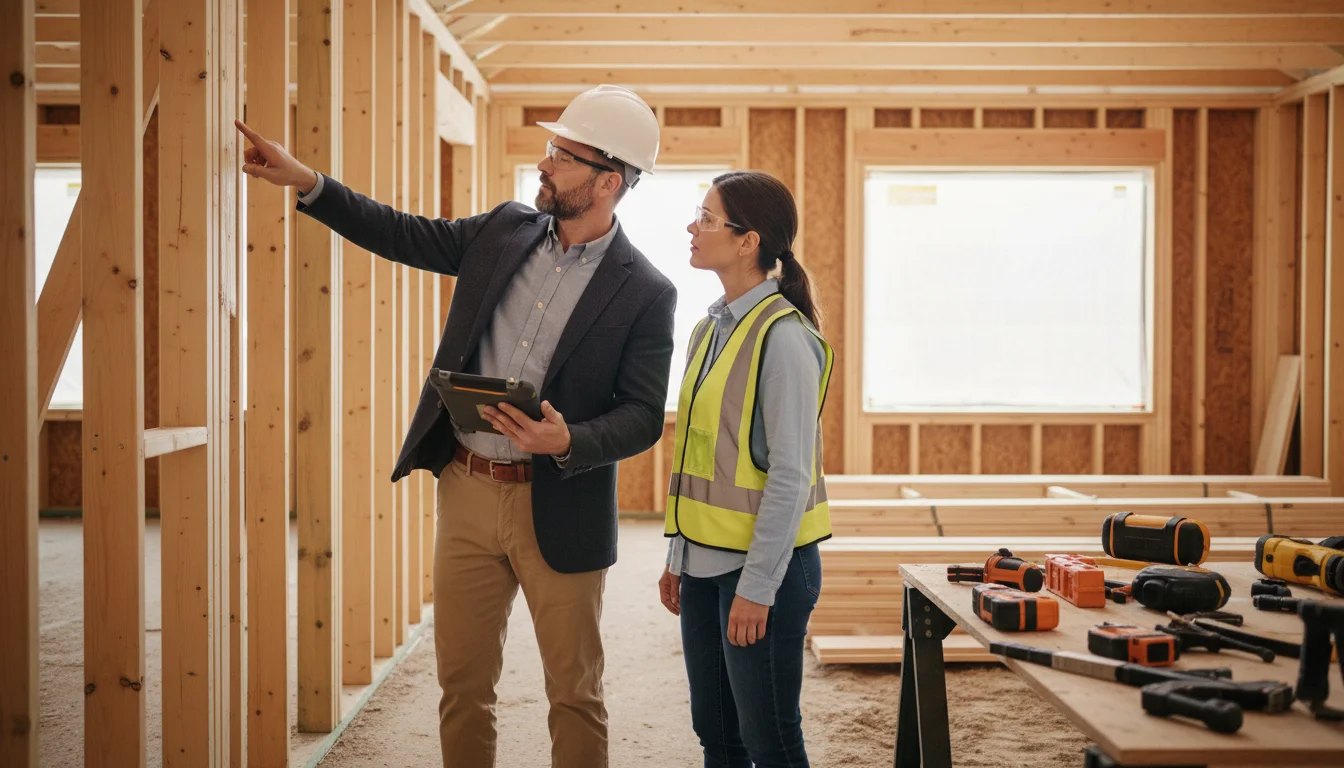
A general contractor functions as the project manager for your entire construction job. They are responsible for translating your vision and your architect's plans into a coordinated sequence of work performed by multiple specialized trades -- each of which must arrive at the right time, in the right order, with the right materials, and leave with their portion of the job completed to code and to spec.
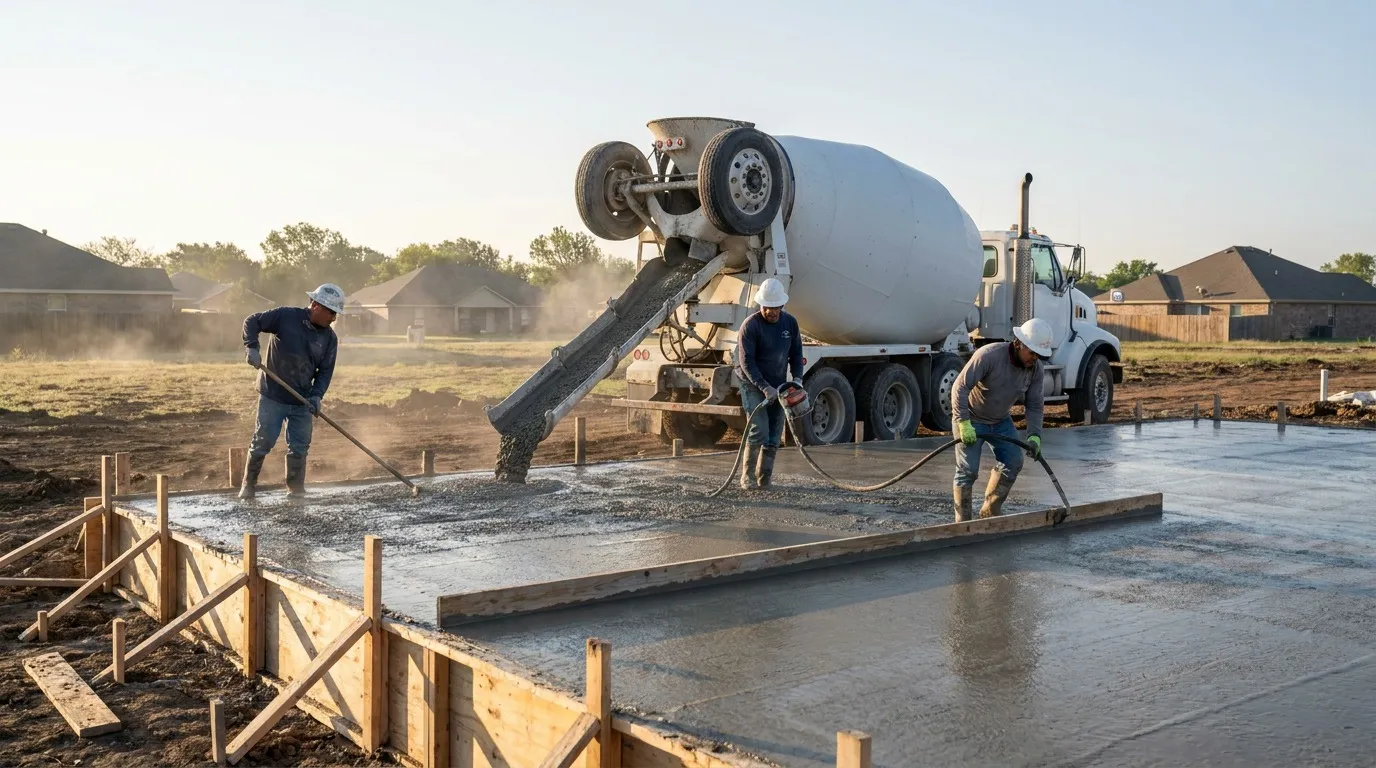
In a typical residential remodel in North Texas, a general contractor coordinates a combination of demolition crews, framers, electricians, plumbers, HVAC technicians, concrete specialists, roofers, drywall installers, painters, tile setters, cabinet installers, flooring crews, and final cleanup teams. Each trade depends on the one before it. If the plumber is not finished before the drywall crew arrives, the entire schedule collapses. If the electrician installs the wrong panel for the HVAC system, it creates a rework chain that costs time and money.
The general contractor prevents all of that. They build the schedule, manage the dependencies, solve the problems that arise on every project, and serve as your single point of contact so you do not have to field calls from 12 different subcontractors asking questions you do not know how to answer.
| General Contractor Responsibility | What It Means for You |
| Subcontractor coordination | You deal with one person, not a dozen trades calling you separately |
| Permit acquisition | The contractor handles all municipal paperwork and scheduling of required inspections |
| Material procurement | Materials arrive on time and match the specifications in your contract -- not whatever was cheapest at the supply yard |
| Budget management | You receive documented tracking of costs against the original estimate with explanations for any variances |
| Timeline management | Work follows a logical sequence with realistic milestones, not a "we'll see how it goes" approach |
| Quality control | The contractor inspects subcontractor work before the next trade begins, catching problems while they are still easy to fix |
| Code compliance | All work meets local building codes, passes required inspections, and is properly documented for future reference or resale |

In most states, general contractors must demonstrate a minimum level of competence before they can legally take on projects. They pass exams, post bonds, carry mandatory insurance, and face license revocation if they consistently deliver substandard work. The licensing system is not perfect, but it does provide a baseline.
Texas has no such baseline. The state does not require a statewide license for general contractors, trusting the free market to sort out who is qualified and who is not.
This regulatory environment creates two specific risks for property owners:
The competence gap. Without an exam or apprenticeship requirement, some individuals operating as general contractors have never actually managed a full construction project. They may be skilled in a single trade -- framing, for example -- but lack the project management experience to coordinate the 15 to 20 other trades required to complete a remodel or new build. You will not discover this until the project is underway, and the schedule starts to fall apart.
The accountability gap. Without a license to revoke, the state has limited tools to penalize contractors who abandon projects, deliver substandard work, or misrepresent their qualifications. Your primary recourse is civil litigation, which is expensive and time-consuming. Prevention -- thorough vetting before you sign -- is far more effective than any legal remedy after the fact.
This is why the questions you ask during the hiring process are not just helpful suggestions. In Texas, they are your only real protection.
Most property owners evaluate contractors by collecting bids and choosing one based on price, reputation, or gut feeling. That approach might work in a licensed state where basic qualifications are already verified. In Texas, you need a more structured evaluation.
Ask the contractor how they manage projects day-to-day. You are looking for a specific, repeatable system -- not vague assurances about staying organized.
At TriStar Built, we use JobTread, a construction project management platform that gives every client a dedicated portal with real-time access to their project schedule, budget tracking, documentation, progress photos, and direct messaging with our team. When you ask a question at 9 PM on a Tuesday, you can check the portal for an answer rather than waiting for a phone call that may or may not come.
Not every general contractor uses digital tools, and that alone is not disqualifying. But they should be able to describe how they track schedules, communicate updates, document changes, and keep you informed. If the answer is "I keep it all in my head" or "I'll call you when there's something to report," that tells you everything you need to know about how the project will go.
A general contractor is only as good as the subcontractors they put on your job. Ask specifically:
"How long have your subcontractors been working with you?" Long-term subcontractor relationships indicate that the contractor pays fairly, manages jobs professionally, and provides steady work -- all of which attract quality trades. At TriStar Built, we have subs who have been with us for over a decade. That kind of consistency shows up in the finished product because our crews know our standards without being told.
"Do you use the same crews on every project, or do you hire whoever is available?" Rotating crews from project to project means inconsistent quality. A contractor who relies on a core team of trusted subcontractors can guarantee a level of workmanship that a contractor hiring off Craigslist for each job simply cannot.
"How do you handle subcontractor quality issues?" The right answer involves on-site supervision, punch list documentation, and a clear process for requiring rework before the next trade begins. The wrong answer is silence or a vague "we handle it."
A contractor who has built 50 custom homes may not be the right fit for a commercial tenant build-out. A contractor specializing in roofing may not have the depth in project management to coordinate a full kitchen and bathroom remodel.
Ask for references from projects that match yours in three ways: scope (similar type and size of work), budget (similar investment level), and location (same geographic area, ideally same municipality). Then contact those references and ask the following:
| Evaluation Area | Questions to Ask | What a Strong Answer Looks Like |
| Project management | How do you track schedules, budgets, and communication? | Names a specific system or tool with a defined update cadence |
| Subcontractor quality | How long have your subs worked with you? | Core team of 5+ years, consistent across projects |
| Similar experience | Can you provide 3 references from projects like mine? | Provides specific references without hesitation, encourages you to call |
| Problem resolution | How do you handle unexpected issues mid-project? | Describes a formal change order process with written documentation and client approval |
| Insurance | Can I see your current COI? | Produces certificate immediately, offers to have insurer send directly |
| Local knowledge | How familiar are you with building in this municipality? | Discusses specific local codes, soil conditions, permit requirements by name |
Beyond the universal warning signs covered in contractor hiring -- no insurance, no references, pressure to skip permits -- there are red flags specific to the general contractor role that indicate a lack of project management capability.
They cannot explain their scheduling process. A general contractor's primary value is coordination. If they cannot walk you through how they sequence trades, manage dependencies, and handle schedule conflicts, they are not functioning as a general contractor -- they are functioning as a middleman who collects a markup without adding management value.
They do not have established subcontractor relationships. If the contractor is assembling a new crew for every project, you are essentially the test case for that particular team. Established general contractor companies have long-standing relationships with subcontractors who know their standards and processes.
They resist putting the schedule in writing. A contractor who will not commit to a written timeline with milestones is telling you they do not actually have a plan. Verbal timelines are meaningless -- they shift without documentation, and you have no way to hold anyone accountable when the project runs three months past the "estimate."
They cannot explain what happens between their trades. Between demolition and framing, between rough-in and drywall, between paint and flooring -- there are critical transition points where quality control happens. Ask the contractor what they inspect at each phase. If they do not have a clear answer, they are not managing quality -- they are just scheduling bodies.
They quote one price for everything with no breakdown. A legitimate general contractor provides line-item estimates that show you exactly where your money is going: demolition, framing, electrical, plumbing, HVAC, drywall, finishing, materials, permits, and project management. A single lump sum with no detail makes it impossible to evaluate value and impossible to negotiate scope changes fairly.
When you hire the right general contractor, the experience should feel like a partnership, not a transaction. You should feel informed, not anxious. You should know what is happening on your project without having to chase anyone for updates. And you should trust that the person managing your project has the experience, the systems, and the team to deliver what they promised.
At TriStar Built, that is the standard we have held ourselves to since 2006. Our founder, Troy Ballenger, built this company on a straightforward principle: treat every home and business as if it were our own. That is not a tagline -- it is how we train our project managers, how we select our subcontractors, and how we communicate with every client from first consultation through final walkthrough.
We have earned multiple Best of Denton awards and the Golden Hammer Award because our clients -- the people who live in Denton County alongside us -- consistently validate that approach. We are not trying to be the biggest contractor in North Texas. We are trying to be the one people trust enough to recommend to their neighbors.
Planning a project and want to see what working with an experienced general contractor actually looks like? Contact TriStar Built for a no-pressure consultation. We will listen to what you need, walk your property, and give you an honest assessment of what it will take to do it right.
A general contractor manages the overall project -- scheduling, budgeting, permits, inspections, and coordination of all trades. A subcontractor is a specialist in a single trade (electrical, plumbing, framing, etc.) who is hired by the general contractor to perform a specific portion of the work. You hire the general contractor; the general contractor hires the subcontractors.
Legally, yes. Texas does not restrict property owners from managing their own construction projects. However, acting as your own general contractor means you are personally responsible for hiring and scheduling every trade, pulling permits, coordinating inspections, managing the budget, resolving conflicts between subcontractors, and ensuring all work meets code. Most homeowners significantly underestimate the time, knowledge, and coordination required.
Start with referrals from people you trust who have completed similar projects. Verify each referral by checking insurance, business registration, online reviews, and references. Local trade organizations and the Better Business Bureau can also provide leads, but always conduct your own due diligence regardless of the source.
General contractors typically charge a management fee that covers project oversight, scheduling, coordination, and their expertise. Rather than focusing on the percentage alone, evaluate what you receive for that investment: a managed project with one point of contact, coordinated subcontractors, permit handling, quality control, and accountability. The alternative -- managing it yourself or hiring an unqualified contractor -- typically costs more in the long run.
Five years is a reasonable minimum for residential projects. A decade or more provides significantly greater confidence because it means the contractor has survived economic cycles, managed hundreds of projects, and built a reputation that can be verified. TriStar Built has been operating in Denton County under the same name since 2006 -- nearly two decades of verifiable work.
Address it directly and immediately in writing. Reference the communication expectations outlined in your contract and request a specific update schedule going forward. If communication does not improve after a written request, document the failure and consult the dispute resolution provisions in your contract. Chronic communication failure is one of the most common precursors to project problems.
Absolutely. A written project schedule with trade sequences, milestone dates, and a projected completion date should be part of the contract or delivered before work begins. The schedule should also identify decision points where your input is needed -- material selections, design approvals, change orders -- so you know when your response time directly affects the timeline.
Choosing based on price alone. The lowest bid in Texas construction almost always represents missing scope, inferior materials, uninsured subcontractors, or a contractor who plans to recover margin through change orders. The most expensive mistake is not the contractor who charges a fair price -- it is the contractor who charges too little and delivers a project that needs to be redone.
Ask for references from projects that match yours in type, size, and location. A contractor who excels at custom home builds may not be the right fit for a commercial renovation, and vice versa. The right general contractor will have demonstrated experience with your specific project type and will be able to discuss the unique challenges it presents without hesitation.
A quality general contractor conducts a final walkthrough with you to document any remaining items on a punch list, ensures all inspections are passed, provides warranty documentation, and remains available for warranty claims during the coverage period. The relationship should not end at final payment -- it should transition into long-term accountability for the work delivered.
The right general contractor turns a stressful construction project into a managed process with a predictable outcome. If you are ready to find that contractor for your next project in North Texas, schedule a consultation with TriStar Built. We have been managing projects the right way in Denton County since 2006.


Whether you’re remodeling a home, expanding a business, or starting from the ground up, TriStar Built is here to guide you every step of the way. With a focus on craftsmanship, communication, and results that last, we make the construction process clear, smooth, and worth every investment.

LOCATION: 2126 James Street, Denton, TX 76205
PHONE: (940) 381-2222
© 2025 TRISTAR BUILT - ALL RIGHTS RESERVED | WEB DESIGN & SEO BY: Authority Solutions®