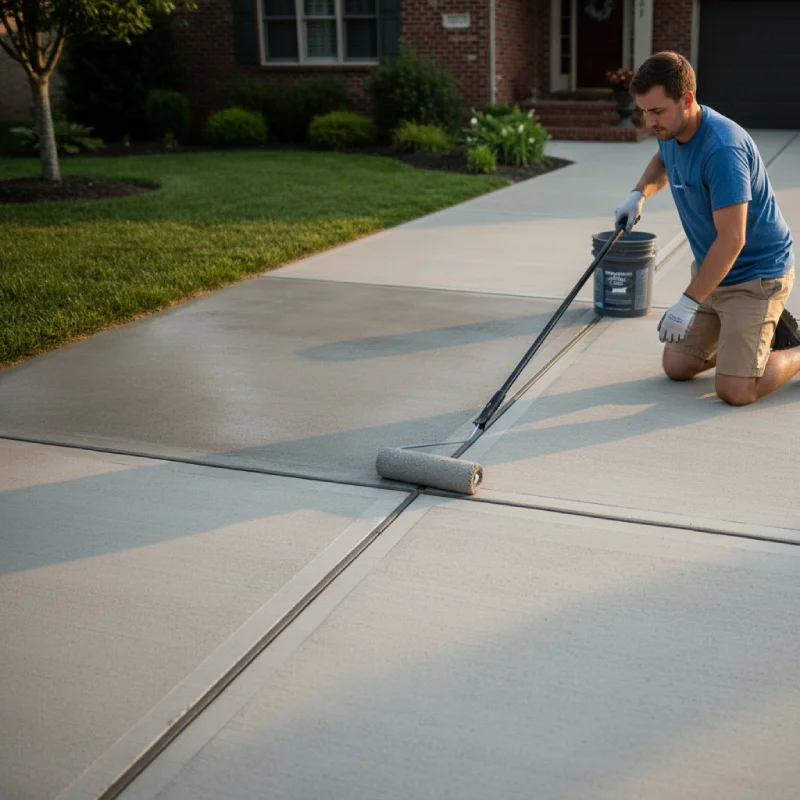
Maintaining a driveway for decades requires building on a solid base, sealing every 2-3 years, repairing cracks immediately, managing proper drainage to prevent water damage, and controlling heavy vehicle traffic to avoid surface deterioration.
A driveway stays like new for decades when it's built on a solid base, sealed on a smart schedule, and watched closely for early damage. Owners inspect the surface yearly for hairline cracks, repair them promptly, and keep oil, salt, and debris off the surface. They manage heavy vehicle traffic, control water through proper drainage, and prevent runoff from pooling. For expert help, consult driveways contractors to ensure long-term durability.
Longevity is often the hidden factor that determines whether a driveway is a wise investment or an expensive mistake. Most residential concrete driveways serve about 25–30 years under normal conditions. With excellent installation and favorable climate, that range can stretch toward 30–50 years.
However, harsh freeze–thaw cycles, frequent de‑icing salts, heavy vehicles, and a weak subbase can significantly shorten that time. Asphalt driveways typically last around 15–20 years, even when reasonably cared for. With careful upkeep and periodic overlays, some reach 20–30 years, yet they rarely outlast concrete.
| Driveway Type | Typical Lifespan | Optimal Conditions | Primary Threats |
| Concrete | 25-30 years | 30-50 years | Freeze-thaw cycles, de-icing salts, heavy loads, poor subbase |
| Asphalt | 15-20 years | 20-30 years with overlays | Heat, UV rays, oil spills, poor drainage, traffic wear |
Smart sealing habits start with a clear schedule, because applying sealer at the right intervals can add years of life to both asphalt and concrete driveways. When homeowners follow proven timelines, adjusted for traffic and weather, they protect the surface before small problems turn into costly damage. Just as necessary, they choose high‑quality sealants that resist sun, water, and chemicals.
A well‑planned sealing schedule is one of the most potent ways to keep a driveway looking new for decades. Ideal timing should never be random, according to Federal Highway Administration pavement management guidelines. Homeowners gain the most value when they match sealing frequency to how the driveway is actually used and to local weather conditions.
Once a homeowner understands when to seal a driveway, the next step is choosing a product that actually delivers lasting protection. Sound product selection starts with the driveway material, expected traffic, and local environmental factors.
Catching small cracks early gives a homeowner the best chance to protect their driveway and avoid costly repairs later. By watching for faint hairline cracks after rain or cold snaps, or along edges, they can act fast before those cracks widen and let in damaging water.
Many driveway problems start with just a few thin, hairline cracks that are easy to miss but critical to spot early. These fine lines are often less than 1/8 inch wide, yet they can run deep into the slab and allow water to penetrate. Regular visual checks help detect damage early before it becomes major. For repairs, concrete slab contractors can address these issues before they worsen.
Once those early hairline cracks are spotted, the next step is to prevent them from spreading by repairing them promptly and correctly. Proper preparation begins with removing loose debris, plants, and dust using a wire brush and vacuum or pressure washer, then degreasing any oily spots.
A driveway that stays smooth and strong for decades depends on how vehicle traffic is managed and monitored over time. Traffic patterns, including heavy delivery trucks, construction vehicles, and frequent turning at the same spots, create concentrated stress that prematurely damages surfaces.
| Traffic Challenge | Impact on Driveway | Protection Strategy |
| Heavy Delivery Trucks | Cracking, rutting, and subbase compression | Limit frequency, schedule during cooler weather, and reinforce common paths |
| Repeated Turning | Surface abrasion and asphalt rutting in hot weather | Vary parking spots, avoid sharp turns on hot days |
| Construction Equipment | Concentrated point loads causing immediate damage | Use plywood protection mats, restrict access to edges |
| Edge Loading | Crumbling and breakup along unsupported borders | Install edge reinforcement, keep heavy vehicles centered |
Intelligent control of vehicle traffic protects the driveway from above, but long-term performance also depends on what happens to water on and under the surface. Adequate drainage starts with proper grading: the driveway slopes away from buildings at 1–2%, guiding water toward safe collection points rather than foundation walls.
Consistent subbase compaction helps keep those slopes stable, preventing future low spots that collect water. Surface drainage systems capture runoff at low points and garage entries, then move it into pipes, dry wells, or storm sewers according to National Asphalt Pavement Association best practices.
Consistent, simple care keeps a driveway looking new far longer than most homeowners expect, and it doesn't require specialty tools or an expert. A basic routine focuses on catching problems early, limiting weather effects, and using gentle but regular cleaning.
Match the surface to both weather and budget, weighing climate first, then material durability and installation requirements. In cold regions, asphalt's flexibility and lower upfront expense make it practical, though it needs more frequent sealing. In hot climates, concrete resists heat and maintains its shape longer, but requires higher initial investment. If long lifespan and strength matter most, concrete wins; if budget constraints and quick installation are priorities, asphalt is often the better choice for residential driveways.
Decorative finishes and colors do affect driveway longevity and maintenance requirements. Textured or stamped surfaces weather faster, trap dirt more easily, and need gentler, more frequent cleaning and resealing cycles. Dark colors absorb more heat, increasing thermal stress and potential microcracking in hot climates. Integral color usually outlasts surface stains and dyes. Applying quality decorative sealants and UV-resistant coatings protects pigments, limits water and salt damage, and reduces staining, but these protective products must be renewed on a regular maintenance schedule.
After a snowstorm, protect the driveway by clearing snow promptly within 24–48 hours, minimizing ice buildup that stresses the surface through freeze-thaw cycles. Use plastic shovels or rubber-blade snowblowers rather than metal edges to avoid scratching and gouging. Apply driveway-safe deicers like calcium or magnesium chloride sparingly on ice patches, avoiding sodium chloride which damages concrete. After thawing, inspect for new cracks or potholes, clean away slush and salt residue thoroughly, and mark driveway edges to guide any future snow removal.
De-icing salts and chemical ice melters are not completely safe for driveways, especially with repeated long-term use. They can penetrate concrete pores, trigger freeze-thaw damage cycles, and cause scaling and cracking that leads to serious deterioration. Some products like calcium or magnesium chloride are gentler than sodium chloride, yet still carry environmental impact by harming soil, plants, and water systems. Homeowners should use them sparingly, choose concrete-safe formulations specifically designed for driveways, and rely on mechanical snow removal first whenever possible.
Replacement becomes necessary when surface cracks cover large areas, especially deep or alligator-style patterns spreading across multiple sections, rather than a few small, stable lines. Also evaluate drainage patterns, noting persistent pooling water, sinking slabs, or repeated potholes that return after repairs. If over a quarter of the driveway shows damage, repairs fail within months, or the driveway is 25–30 years old for concrete or 15–20 years for asphalt, full replacement is usually the smartest long-term investment rather than continued patching.
By using smart sealing habits, quick crack repairs, and mindful traffic practices, any homeowner can keep a driveway strong and attractive for decades. When they control water flow and drainage effectively, they prevent the hidden damage that often shortens a driveway's useful life. With a simple, consistent maintenance routine, they protect their investment, avoid expensive emergency repairs, and maintain strong curb appeal.
At TriStar Built, we understand that North Texas driveways face unique challenges from expansive clay soils, extreme temperature swings, and intense summer heat. Whether you need a new concrete driveway installation, professional repairs, or guidance on maintaining your existing surface, our team brings nearly two decades of local expertise to every project. We treat every driveway as if it were our own, delivering the quality craftsmanship and honest communication that Denton County homeowners have trusted since 2006. Contact TriStar Built today to schedule a consultation and discover how proper installation and maintenance can extend your driveway's life for generations.



Whether you’re remodeling a home, expanding a business, or starting from the ground up, TriStar Built is here to guide you every step of the way. With a focus on craftsmanship, communication, and results that last, we make the construction process clear, smooth, and worth every investment.

LOCATION: 2126 James Street, Denton, TX 76205
PHONE: (940) 381-2222
© 2025 TRISTAR BUILT - ALL RIGHTS RESERVED | WEB DESIGN & SEO BY: Authority Solutions®