
A Denton general contractor serves as the project manager, permit specialist, and quality control expert, coordinating all aspects of residential and commercial construction projects while ensuring compliance with local building codes and managing subcontractors to deliver on-time, on-budget results.
Construction projects fail at alarming rates when homeowners choose the wrong general contractor in Denton, TX, leading to cost overruns, delays, and substandard work. Your dream renovation or new build depends entirely on finding a qualified professional who understands local building codes, manages subcontractors effectively, and delivers projects on time and within budget.
Successful construction requires a contractor who serves as project manager, permit specialist, and quality control expert all in one. The best general contractors in Denton combine years of local experience with proven systems for coordinating every aspect of residential and commercial construction projects.
This comprehensive guide reveals exactly what to look for when hiring a contractor and how to ensure your project succeeds from groundbreaking to final inspection.
A general contractor in Denton serves as the central hub of your construction project, managing comprehensive general contractor responsibilities that include planning, permits, budgets, and quality control. Think of them as the conductor of an orchestra—coordinating multiple moving parts to create a harmonious result. In Denton's rapidly growing construction market, where over $1.3 billion in permits were issued in fiscal year 2022-2023, having an experienced contractor who understands local codes and processes isn't just helpful—it's essential.
| Responsibility Area | What It Includes | Why It Matters |
| Project Planning | Design coordination, feasibility studies, scope development | Prevents costly changes and establishes clear expectations |
| Permit Management | Applications, inspections, code compliance | Ensures legal compliance and protects your investment |
| Budget Control | Estimates, cost tracking, vendor negotiations | Keeps spending on target and prevents overruns |
| Subcontractor Oversight | Hiring, scheduling, quality verification | Maintains standards and prevents delays |
| Quality Assurance | Inspections, material verification, workmanship review | Protects against defects and ensures durability |
| Communication | Updates, change orders, problem-solving | Keeps you informed and projects running smoothly |
Before the first shovel breaks ground, your general contractor works with you to develop a comprehensive project plan. Strong contractors know that upfront planning prevents expensive changes later.
Planning phase activities include:
Navigating Denton's building regulations requires local knowledge and experience. The City of Denton operates through the eTRAKiT permitting system and adheres to the 2021 International Building Codes with local amendments. Your general contractor handles the entire permitting process, from initial applications through final inspections.
Permit responsibilities include:
One of the most critical duties is keeping your project financially on track. Professional general contractors provide detailed, itemized estimates that break down costs for materials, labor, permits, and contingencies. They leverage relationships with suppliers and subcontractors to secure competitive pricing without sacrificing quality.
Budget management includes:
No general contractor works alone. hey assemble and manage teams of specialized subcontractors—electricians, plumbers, framers, roofers, HVAC technicians, and more. Managing construction subcontractors effectively requires coordination expertise that separates quality contractors from the rest. Quality general contractors maintain relationships with reliable subcontractors who've proven their skills over years of collaboration.
Subcontractor oversight involves:
Quality doesn't happen by accident—it requires systematic oversight and clear standards. A professional general contractor serves as your quality control expert, inspecting work at each phase to ensure it meets specifications and building codes.
Your contractor guides material selections, balancing your aesthetic preferences with performance requirements and budget constraints. In North Texas, this means choosing materials that withstand intense summer heat, occasional severe storms, and our unique soil conditions.
Materials expertise includes:
| Phase | Quality Control Points | Inspection Focus |
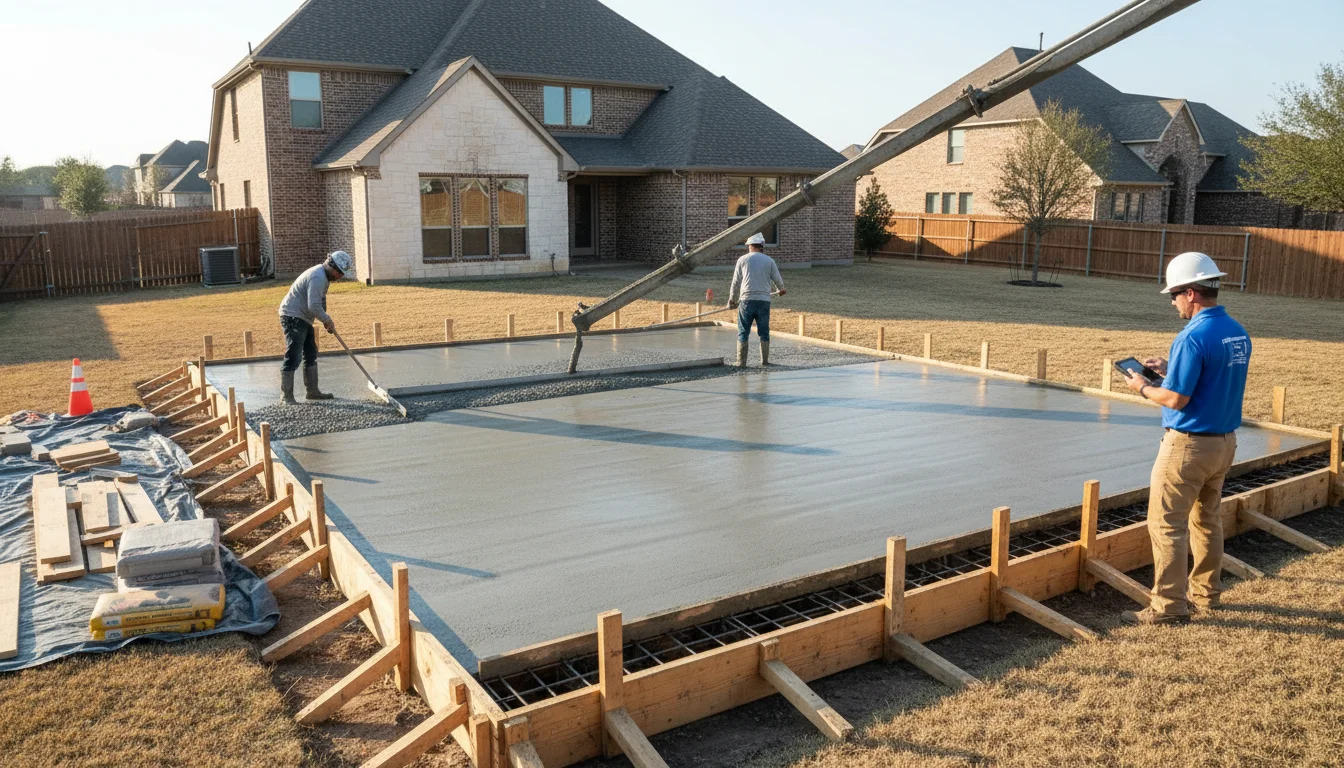
| Foundation | Soil compaction, rebar placement, concrete strength | Level, properly cured, no voids or cracks |
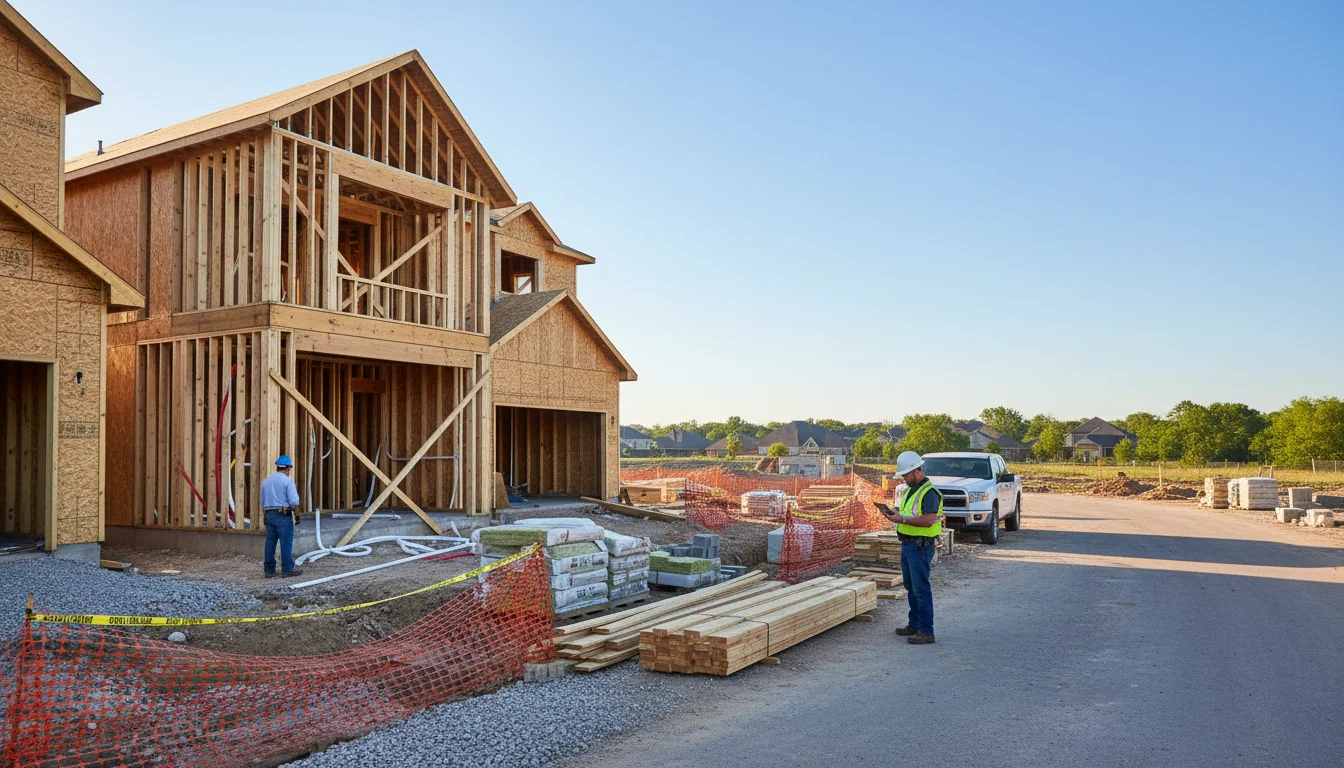
| Framing | Lumber quality, proper spacing, structural connections | Square, plumb, meets load requirements |
| Rough-In | Electrical/plumbing routing, proper sizing | Code compliance, accessibility for future service |
| Insulation | R-value, complete coverage, air sealing | No gaps, proper ventilation maintained |
| Finishes | Material quality, installation technique | Level, properly attached, aesthetically pleasing |
Daily site supervision ensures work progresses according to plans and safety protocols. General contractors or their designated site supervisors maintain clean, organized job sites that minimize hazards.
Safety and supervision duties:
Throughout construction, your contractor coordinates inspections with Denton city officials at critical milestones—foundation completion, framing, electrical rough-in, plumbing, mechanical systems, and final occupancy. When issues arise, professional contractors take ownership of solutions.
Inspection process includes:
The best general contractors excel at communication, serving as your advocate and translator throughout the construction process. They explain technical issues in plain language, provide regular progress updates, and make themselves accessible when you have questions or concerns.
Professional contractors establish clear communication protocols from day one. This transparency builds trust and prevents the misunderstandings that lead to disputes.
Communication best practices:
| Project Stage | Communication Frequency | Update Content |
| Planning/Pre-Construction | 2-3 meetings | Design finalization, permit status, start date |
| Active Construction | Weekly | Progress photos, upcoming milestones, any issues |
| Major Milestones | As they occur | Inspection results, phase completions |
| Change Orders | Immediately | Scope changes, cost impacts, timeline adjustments |
| Project Completion | Final walkthrough + 30 days | Punch list, warranties, maintenance guidance |
Construction projects rarely proceed exactly as planned. Professional contractors handle these situations through formal change order processes that document what's changing, why it's necessary, and how it affects cost and schedule.
Change order process includes:
Working in Denton requires more than general construction knowledge—it demands an understanding of local conditions, regulations, and market dynamics. Contractors serving Denton County must navigate unique challenges that don't exist in other Texas markets.
Denton's adoption of the 2021 International Building Codes includes local amendments specific to our region. Professional contractors stay current with these requirements, understanding nuances around energy efficiency standards, storm water management, and structural requirements for our soil conditions.
Denton-specific knowledge includes:
| Challenge | Impact on Projects | Contractor Solutions |
| Expansive Clay Soils | Foundation movement, cracking | Proper soil testing, engineered foundations, pier and beam systems |
| Severe Weather | Storm damage, construction delays | Impact-resistant materials, weather contingency planning |
| Summer Heat | Worker safety, material curing | Early morning schedules, proper concrete curing techniques |
| Rapid Growth | Permit delays, material shortages | Early permit applications, established supplier relationships |
North Texas weather presents unique construction challenges. Severe storms, hail events, and occasional ice storms impact both project timelines and material selection. Experienced Denton contractors plan for weather delays, protect work from elements, and help you choose resilient materials.
Weather-related responsibilities:
Bringing projects in on time requires sophisticated scheduling and proactive management. General contractors develop comprehensive schedules that sequence trades logically, account for material lead times, and build in buffers for inspections and potential delays.
| Project Type | Typical Duration | Key Factors Affecting Timeline |
| Minor Renovation | 2-4 weeks | Scope complexity, permit requirements |
| Kitchen/Bath Remodel | 6-10 weeks | Custom materials, appliance delivery, plumbing/electrical work |
| Major Home Renovation | 3-6 months | Structural changes, permits, inspection schedules |
| Home Addition | 4-8 months | Foundation work, weather, architectural complexity |
| Commercial Build-Out | 3-12 months | Size, tenant improvement requirements, code compliance |
| New Construction | 6-14 months | Size, custom features, permitting, weather delays |
Professional contractors set realistic expectations from the start. They account for Denton's permitting timelines, which can vary based on project complexity and current city workload. Contractors who promise unrealistically short timelines often cut corners or leave projects incomplete.
Timeline considerations include:
Efficient scheduling prevents costly delays and rework caused by trade conflicts. Your contractor sequences work so each trade has clean access to their work areas, materials arrive when needed, and inspections occur at logical milestones.
Effective scheduling includes:
Construction projects carry inherent risks—financial, legal, and safety-related. General contractors manage these risks through proper insurance, careful documentation, and strict adherence to regulations that protect all parties.
| Insurance Type | What It Covers | Why You Need It |
| General Liability | Property damage, bodily injury during construction | Protects you from liability for on-site accidents |
| Workers' Compensation | Employee injuries on your project | Required by law, protects you from worker injury claims |
| Professional Liability | Design errors, specification mistakes | Covers errors in professional judgment or planning |
| Commercial Auto | Vehicle accidents involving company trucks | Protects against damage from contractor vehicles |
| Umbrella Policy | Additional coverage beyond base policies | Extra protection for large claims |
Professional general contractors carry comprehensive insurance including general liability coverage, workers' compensation, and often professional liability insurance. In Texas, while contractors aren't state-licensed, maintaining proper insurance demonstrates commitment to professionalism.
Insurance considerations:
Everything should be documented in writing. Professional contractors provide detailed contracts specifying scope, pricing, payment schedules, timeline, materials, and procedures for handling changes or disputes.
Essential contract elements:
The contractor's responsibilities don't end when you sign off on project completion. Professional contractors stand behind their work with warranties covering both materials and workmanship.
Post-completion responsibilities:
Selecting your contractor might be the most important decision in your construction project. The wrong choice leads to cost overruns, delays, substandard work, and legal headaches. The right contractor turns your vision into reality while protecting your interests at every step.
Before hiring, verify:
| Warning Sign | What It Means | What to Do |
| No physical address | Fly-by-night operation | Find contractors with established local offices |
| Pressure for immediate decision | High-pressure sales tactics | Take time to compare multiple contractors |
| Large upfront payment | Potential scam or cash flow problems | Standard is 10-25% down, never pay full amount upfront |
| No written contract | Leads to disputes and misunderstandings | Insist on detailed written agreements |
| Extremely low bid | Cut corners, inferior materials, or incomplete scope | Focus on value, not just lowest price |
| Can't provide insurance proof | Puts you at legal and financial risk | Verify current coverage before signing |
| Post-storm door-knocking | Storm chasers who disappear after deposit | Work with established local contractors |
Start by verifying the contractor's credentials. In Texas, check for proper business registration and insurance coverage. Request certificates of insurance and verify they're current by contacting the insurance carrier directly.
Due diligence steps:
The lowest bid rarely represents the best value. Quality contractors charge fair prices that reflect their experience, insurance costs, quality materials, and skilled labor. We're not trying to be the cheapest—we're trying to be the best.
True value includes:
Selecting the right general contractor in Denton is crucial for project success, quality outcomes, and budget control. Experienced, licensed contractors bring expertise in navigating permits, managing subcontractors, and adhering to construction standards that protect your investment. Their comprehensive project oversight ensures timely completion while maintaining the highest quality standards.
Don't leave your construction project to chance or inexperienced hands. The right contractor transforms your vision into reality while handling all technical and regulatory complexities. Ready to move forward with confidence? Contact established Denton general contractors today for a detailed project consultation and discover how professional expertise can make your construction goals achievable.
A Denton general contractor oversees all aspects of construction projects, from initial planning to final completion. Their duties include obtaining permits, coordinating subcontractors, managing timelines and budgets, ensuring code compliance, and maintaining quality control throughout the project.
You can verify a general contractor's license through the Texas Department of Licensing and Regulation (TDLR) website. Simply search their online database using the contractor's name or license number. Additionally, check for proper insurance coverage and bonding to ensure full compliance.
Expect a structured process beginning with design development, permit acquisition, and detailed planning. The construction phase involves regular progress meetings, quality inspections, and milestone completions. Communication will be frequent regarding scheduling, budget updates, and any necessary change orders.
Renovation timelines vary significantly based on project scope and complexity. Minor renovations may take 2-4 weeks, while major home renovations can require 3-6 months. Commercial projects typically range from several months to over a year, depending on size and permit requirements.
Construction permits in Denton depend on project type and scope. Common permits include building permits for structural work, electrical permits, plumbing permits, and mechanical permits for HVAC systems. Your contractor should handle permit applications and ensure all work meets local building codes.
General contractors coordinate subcontractors through detailed scheduling, clear communication of project requirements, and quality oversight. They handle contract negotiations, ensure proper licensing and insurance, coordinate work sequences to prevent delays, and maintain accountability for all subcontracted work quality.
A general contractor directly employs workers and subcontractors while taking full responsibility for construction completion. A construction manager typically acts as an advisor, overseeing the project but not directly employing trade workers. General contractors assume more liability and financial responsibility.
Obtain detailed written estimates from multiple licensed contractors, ensuring each includes materials, labor, permits, and contingencies. Provide identical project specifications to each contractor for fair comparison. Be wary of estimates significantly higher or lower than others, as these may indicate issues.
Contractors must follow OSHA safety standards, including proper use of personal protective equipment, fall protection systems, and hazard communication protocols. They should maintain clean work sites, conduct regular safety meetings, ensure proper equipment maintenance, and carry appropriate insurance coverage for worker protection.
Contractors maintain budgets through detailed initial estimates, regular cost tracking, and transparent change order processes. They provide regular budget updates, source materials competitively, manage labor costs effectively, and communicate immediately about any potential cost overruns or necessary modifications to the original scope.



Whether you’re remodeling a home, expanding a business, or starting from the ground up, TriStar Built is here to guide you every step of the way. With a focus on craftsmanship, communication, and results that last, we make the construction process clear, smooth, and worth every investment.

LOCATION: 2126 James Street, Denton, TX 76205
PHONE: (940) 381-2222
© 2025 TRISTAR BUILT - ALL RIGHTS RESERVED | WEB DESIGN & SEO BY: Authority Solutions®