
A general contractor in Denton, Texas is a licensed construction professional who oversees and coordinates all aspects of building projects, from pre-construction planning through completion, while managing subcontractors and ensuring regulatory compliance in a state without mandatory licensing requirements.
Texas leads the nation with over 230,000 new residential building permits issued in 2024, making the selection of a qualified general contractor in Denton TX more critical than ever. Unlike most states, Texas operates without state-level licensing requirements, placing greater responsibility on property owners to identify contractors who can navigate complex project coordination and regulatory compliance.
Successful construction projects require comprehensive oversight spanning pre-construction planning, execution management, and post-construction handover. The Dallas-Fort Worth region's booming development, including 7.2 million square feet of retail construction, demands contractors skilled in subcontractor coordination and financial controls to prevent the 20-30% budget overruns common in poorly managed projects.
This complete guide reveals how to select contractors who ensure code compliance, maintain safety standards, and deliver projects on time and within budget.
General contractors serve as the central coordination point for construction projects, managing everything from initial planning through final delivery. Their role encompasses financial oversight, regulatory compliance, subcontractor management, and quality control throughout the entire project lifecycle. In Texas, general contractors operate within a unique regulatory environment that differs significantly from other states, with local municipalities like Denton establishing their own registration and insurance requirements.
The comprehensive role of general contractors extends far beyond simple project oversight, encompassing complex financial management, regulatory compliance, and stakeholder coordination throughout the entire project lifecycle. Modern contractors must balance multiple competing priorities while maintaining project schedules and budget constraints.
Key operational responsibilities include:
According to the Texas Department of Licensing and Regulation construction industry guidelines, Texas does not require state-level licensing for general contractors, making it unique among U.S. states. This regulatory approach places greater emphasis on local oversight and market-driven quality standards.
Construction projects require systematic management across three distinct phases: pre-construction planning, active construction management, and post-construction handover. Each phase demands specific skill sets and coordination strategies to ensure successful project completion.
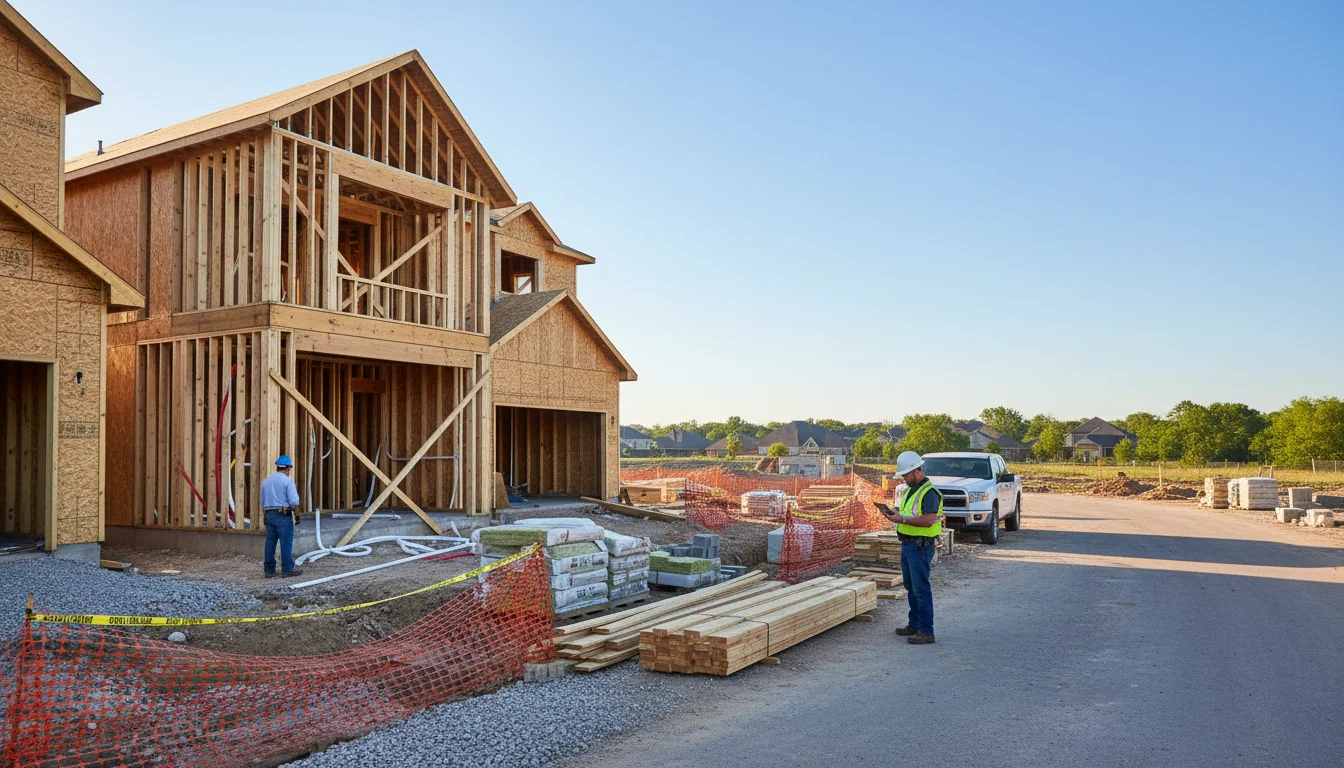
The pre-construction phase requires general contractors to develop detailed budgets, create competitive bids, select and vet subcontractors, and collaborate with architects to ensure constructability. This foundation phase typically represents 10-15% of total project time but influences 80% of project outcomes.
During active construction, contractors must:
Post-construction responsibilities include managing punch lists, collecting final documentation, and ensuring proper handover with warranties and operational manuals. This phase often extends 30-60 days beyond substantial completion.
Effective communication protocols with clients include regular progress reports, transparent challenge disclosure, and post-project follow-up to build long-term relationships. Research shows that over 70% of contractor business typically comes from repeat customers, highlighting the critical importance of relationship management.
General contractors must maintain constant communication with multiple stakeholders including property owners, architects, engineers, inspectors, and utility companies. This coordination ensures that project milestones align with overall development timelines and regulatory requirements.
Texas maintains a distinctive approach to general contractor regulation, relying on local oversight rather than state-level licensing requirements. This system creates variation across municipalities while allowing contractors greater operational flexibility. Local jurisdictions establish their own registration processes, insurance requirements, and compliance standards based on community needs and construction activity levels.
Texas does not require state-level licensing for general contractors, making it unique among U.S. states in its approach to construction industry oversight. This regulatory philosophy emphasizes market-driven quality control and local municipal authority over centralized state management.
The Texas Department of Licensing and Regulation provides industry guidelines and oversees specific trades requiring specialized licensing, such as electrical and plumbing contractors. However, general contracting services operate under local jurisdiction authority rather than state oversight.
Key state-level considerations include:
According to U.S. Census Bureau population growth statistics for Texas, the state's annual population growth rate of 1.6% drives consistent construction demand while maintaining the current regulatory approach.
The City of Denton requires general contractor registration for $66 annually, along with proof of insurance and authorized personnel lists. This registration process ensures that contractors operating within city limits maintain minimum insurance coverage and provide accurate business information.
Denton's registration requirements include general liability insurance coverage, workers' compensation insurance, and designation of authorized personnel who can pull permits and represent the company. These requirements protect both contractors and property owners while maintaining construction quality standards.
Municipal oversight typically includes:
Local requirements may vary significantly between jurisdictions, with larger cities often implementing more comprehensive oversight systems while smaller municipalities maintain streamlined processes.
Financial protection through appropriate insurance coverage represents a fundamental requirement for general contractors operating in Texas. Standard coverage includes general liability insurance, workers' compensation, and often professional liability protection depending on project scope and client requirements.
General contractors must ensure OSHA safety compliance and maintain insurance coverage including general liability and workers' compensation. Coverage amounts typically scale with project size and complexity, with commercial projects often requiring higher limits than residential work.
Bonding requirements vary by project type and owner preferences. Public projects frequently mandate performance and payment bonds, while private projects may require bonds based on owner risk assessment and project complexity.
Effective project management forms the foundation of successful general contracting operations, requiring systematic approaches to scheduling, resource allocation, and quality control. Modern contractors utilize sophisticated project management methodologies to coordinate complex construction projects involving multiple trades, materials suppliers, and regulatory requirements. The coordination challenge intensifies as projects scale and complexity increases.
The pre-construction phase requires general contractors to develop detailed budgets, create competitive bids, select and vet subcontractors, and collaborate with architects to ensure constructability. This critical phase establishes project foundations that influence all subsequent construction activities.
Budget development involves comprehensive cost analysis including materials, labor, equipment, permits, and overhead expenses. Successful contractors implement detailed estimating systems that account for market conditions, seasonal variations, and project-specific challenges.
Essential pre-construction activities include:• Comprehensive site evaluation and feasibility analysis• Detailed cost estimation and bid preparation• Subcontractor pre-qualification and selection• Permit applications and regulatory approvals
Construction projects frequently exceed budgets by 20-30% without proper financial controls, emphasizing the importance of thorough pre-construction planning and realistic contingency allocation.
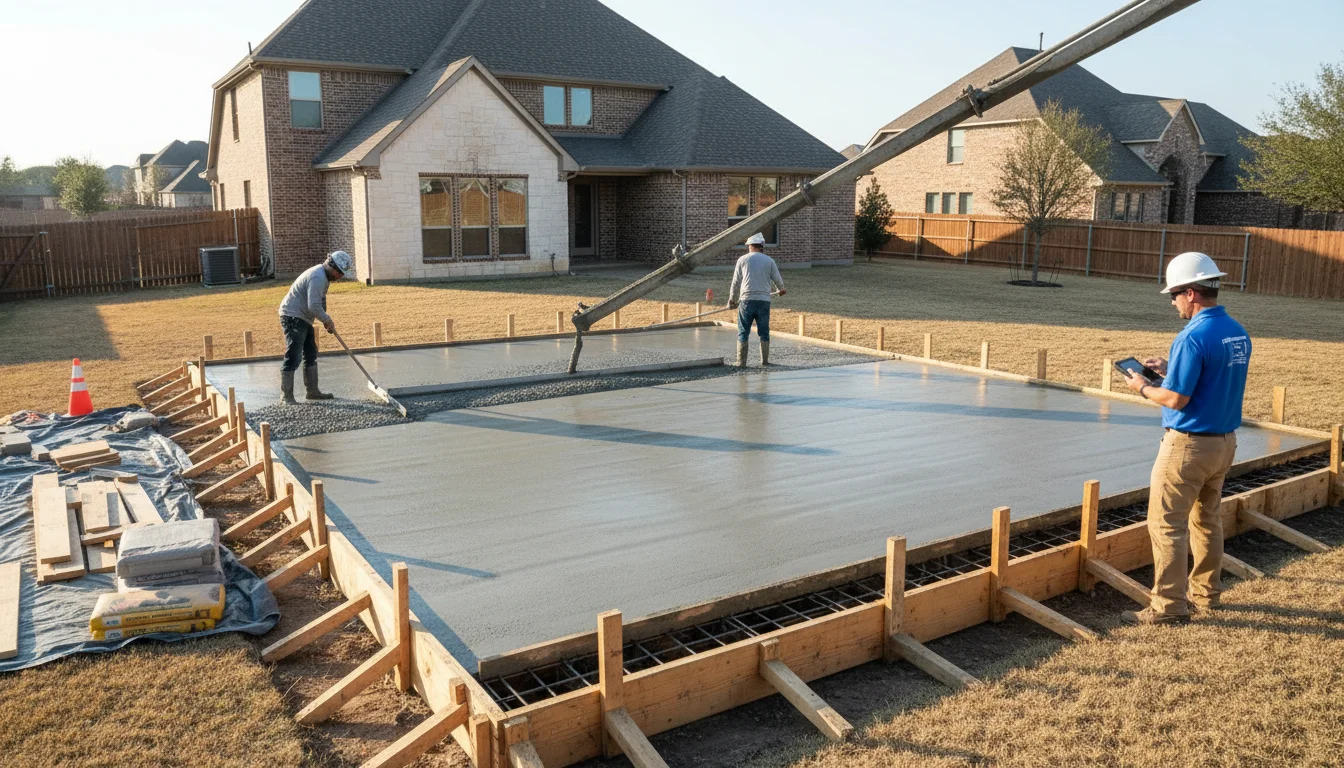
During construction, contractors must coordinate multiple trades, manage scheduling dependencies, oversee quality control through systematic inspections, maintain safety compliance with OSHA standards, and process payments while tracking lien waivers. This complex coordination requires sophisticated scheduling systems and clear communication protocols.
Trade coordination involves sequencing work activities to optimize efficiency while managing dependencies between different specialties. Electrical, plumbing, HVAC, and structural trades must coordinate installations to avoid conflicts and rework.
Daily management responsibilities include:
According to OSHA construction safety standards and compliance requirements, systematic safety management programs reduce accidents while improving overall project productivity and worker morale.
Modern project management relies increasingly on technology solutions for scheduling, communication, and documentation. Cloud-based project management platforms enable real-time coordination between office and field personnel while maintaining comprehensive project records.
Digital tools enhance coordination through shared scheduling systems, instant communication capabilities, and centralized document management. These systems improve accuracy while reducing administrative overhead and coordination delays.
Technology applications typically include project management software, scheduling tools, and mobile applications for field reporting and communication. Implementation success depends on team training and consistent adoption across all project stakeholders.
Subcontractor relationships form the backbone of successful general contracting operations, requiring careful selection processes, clear contractual agreements, and ongoing performance management. The quality of subcontractor partnerships directly influences project outcomes, safety performance, and client satisfaction. Effective subcontractor management involves establishing long-term relationships with reliable trade partners while maintaining competitive pricing and performance standards.
Successful contractors implement comprehensive subcontractor evaluation systems that assess technical capabilities, financial stability, safety records, and past performance history. This vetting process protects project quality while reducing risks associated with subcontractor failures or performance issues.
The selection process typically begins with pre-qualification questionnaires covering licensing, insurance, bonding capacity, and project experience. Reference checks with previous clients provide insights into work quality, reliability, and problem-solving capabilities.
Key evaluation criteria include:
According to construction industry financial management best practices, diversifying subcontractor relationships across multiple qualified providers reduces dependency risks while maintaining competitive pricing through market competition.
Clear contractual agreements establish expectations, responsibilities, and performance standards for subcontractor relationships. These agreements must address scope of work, payment terms, safety requirements, and dispute resolution procedures while protecting both parties' interests.
Standard subcontractor agreements typically include detailed scope descriptions,
General contractors serve as the essential coordination hub for construction projects, managing everything from initial planning through final delivery while ensuring regulatory compliance and quality control. In Texas's unique regulatory environment, contractors operate without state licensing but must meet local requirements, with Denton requiring annual registration and insurance verification. The region's robust construction growth, driven by 1.6% annual population increases, creates abundant opportunities for qualified professionals who can navigate complex project coordination and stakeholder management.
Selecting the right general contractor requires careful verification of local registration, insurance coverage, and proven track records in similar projects. Before hiring any contractor in Denton, always verify their city registration status and insurance documentation to protect your investment. Ready to start your construction project? Contact qualified Denton-registered contractors today for detailed project consultations and competitive estimates tailored to your specific needs.
A general contractor in Denton Texas is responsible for overseeing construction projects from start to finish, serving as the primary coordinator between property owners and subcontractors. They manage pre-construction planning, construction management, and post-construction handover while ensuring regulatory compliance and coordinating multiple trades throughout the project lifecycle.
Texas does not require state-level licensing for general contractors, making it unique among U.S. states. However, the City of Denton requires general contractor registration along with proof of insurance and authorized personnel lists. This local registration system allows municipalities to maintain oversight while supporting the state's business-friendly approach.
The City of Denton requires general contractor registration for $66 annually. Along with the registration fee, contractors must provide proof of insurance and maintain authorized personnel lists. This affordable registration cost supports Denton's growing construction market while ensuring basic regulatory compliance and consumer protection.
General contractors in Texas must maintain insurance coverage including general liability and workers' compensation. These insurance requirements ensure protection for both contractors and clients during construction projects. The specific coverage amounts may vary based on project scope and local requirements, with Denton requiring proof of insurance as part of the registration process.
Contractors in Denton must register annually with the city for $66 and maintain proof of insurance with authorized personnel lists. Contact the City of Denton's building department to verify a contractor's current registration status. This verification process helps ensure you're working with properly registered contractors who meet local requirements.
General contractors serve as the primary coordinator between property owners and subcontractors, taking direct responsibility for construction execution and financial management. Construction managers typically provide oversight and advisory services without taking on direct construction responsibilities. General contractors handle comprehensive project management including financial controls, safety compliance, and stakeholder coordination throughout the entire project lifecycle.
Contingency funds of 5-10% of total project budget are recommended for managing unforeseen expenses. Construction projects frequently exceed budgets by 20-30% without proper financial controls, making contingency planning essential. Successful contractors implement real-time tracking systems and manage change orders to prevent scope creep while maintaining adequate reserves for unexpected costs.
Texas building codes adopt the International Residential Code and International Building Code as minimum standards. Local municipalities like Denton may have additional amendments and interpretations of these codes. General contractors must ensure compliance with both state and local building requirements while coordinating with building inspectors throughout the construction process.
General contractors coordinate multiple trades through systematic scheduling, quality control inspections, and financial management including payment processing and lien waiver tracking. During construction, they manage scheduling dependencies between different subcontractors while maintaining safety compliance and ensuring quality standards. This coordination requires extensive communication and project management skills throughout the construction phase.
General contractors must ensure OSHA safety compliance and maintain comprehensive safety management programs. These safety standards reduce accidents and improve productivity while protecting workers and project sites. Contractors implement OSHA compliance programs that address specific construction hazards and maintain documentation to demonstrate ongoing safety management throughout project execution.




Whether you’re remodeling a home, expanding a business, or starting from the ground up, TriStar Built is here to guide you every step of the way. With a focus on craftsmanship, communication, and results that last, we make the construction process clear, smooth, and worth every investment.

LOCATION: 2126 James Street, Denton, TX 76205
PHONE: (940) 381-2222
© 2025 TRISTAR BUILT - ALL RIGHTS RESERVED | WEB DESIGN & SEO BY: Authority Solutions®