
Strategic communication with your general contractor in Denton County is essential to avoid costly mistakes, project delays, and quality issues that can derail your home renovation investment.
Your dream home renovation in Denton County can quickly turn into a nightmare when the wrong words slip out during conversations with your general contractor in Denton, TX. Poor communication choices often lead to rushed work, financial vulnerabilities, and project delays that cost homeowners thousands of extra dollars.
Contractor relationships require strategic communication to protect both your investment and timeline. Understanding which phrases damage professional dynamics helps homeowners navigate complex renovation projects while maintaining quality standards and reasonable costs.
This guide reveals seven critical communication mistakes that can sabotage your construction project and offers practical alternatives to keep your renovation on track and within budget.
Texas maintains specific licensing requirements for contractors to protect consumers and ensure quality workmanship. The state's regulatory framework varies by trade and project scope, with different agencies overseeing various aspects of construction work. Understanding these requirements helps property owners make informed hiring decisions and avoid costly mistakes.
The Texas Department of Licensing and Regulation (TDLR) serves as the primary regulatory body for most contractor licensing in the state. This agency oversees specific trades while allowing local jurisdictions to establish additional requirements for general contractors.
TDLR manages licensing for specialized trades, including:
General contractors face a different regulatory landscape in Texas. The state does not require general contractor licensing, leaving this responsibility to individual cities and counties. According to the Texas Department of Licensing and Regulation, this decentralized approach allows local governments to tailor requirements to their specific needs and construction standards.
Cities and counties across Texas establish their own general contractor licensing requirements. These local regulations often include business registration, insurance requirements, and sometimes competency testing or experience verification.
Denton County exemplifies this local approach with specific requirements for contractors working within its boundaries. The county requires registration for most construction work and maintains standards for insurance coverage and bonding.
Local requirements typically address:
Different construction trades face varying licensing requirements based on safety considerations and technical complexity. Electrical and plumbing work requires the most stringent licensing due to safety implications and code compliance requirements.
Proper credential verification protects property owners from liability issues and ensures work meets professional standards. This process involves checking licenses, insurance coverage, and business standing through multiple verification channels. Taking time to verify credentials upfront prevents complications during and after construction projects.
The Texas Department of Licensing and Regulation provides online license verification tools for state-regulated trades. Property owners can search by contractor name, license number, or business name to confirm current licensing status.
Key verification steps include:
Local jurisdictions maintain separate databases for general contractor licensing and business registration. Denton County Building Permits Office provides online access to contractor registration information and permit history for contractors working in their jurisdiction.
Adequate insurance protection shields property owners from liability claims and ensures coverage for property damage during construction. Contractors should provide current certificates of insurance directly from their insurance carrier.
Essential insurance coverage includes general liability protection typically ranging from $300,000 to $1 million per occurrence. Workers' compensation coverage protects against employee injury claims on the property owner's premises.
Property owners should contact the insurance company directly to verify coverage details:
Legitimate contractors maintain proper business registration with the Texas Secretary of State and local authorities. This registration indicates the business operates legally and maintains the required filing status.
Contractor Business Verification Checklist
The Better Business Bureau provides business ratings and complaint histories for registered contractors. While BBB membership is voluntary, its database offers valuable insight into customer satisfaction and business practices.
Membership in professional contractor associations indicates commitment to industry standards and continuing education. Associations like the Associated General Contractors of Texas maintain member directories and enforce ethical standards.
Professional associations often provide:
These memberships suggest contractors stay current with industry developments and maintain professional standards beyond minimum licensing requirements.
Experience evaluation goes beyond years in business to assess relevant project types and quality outcomes. Reputation assessment involves reviewing past customer experiences and verifying claims about completed work. This comprehensive evaluation helps identify contractors capable of delivering quality results for specific project requirements.
Experienced contractors maintain portfolios showcasing completed projects similar to the proposed work. This documentation demonstrates capability and provides insight into work quality and style preferences.
Portfolio evaluation should focus on projects matching the scope, scale, and complexity of the planned work. Contractors specializing in residential remodeling may lack experience with commercial construction requirements, and vice versa.
Key portfolio evaluation criteria:
Recent project examples carry more weight than older work, as they reflect current capabilities and compliance with industry standards. Contractors should readily provide portfolio access and project references.
Past customer references provide firsthand insight into contractor performance, communication, and problem-solving abilities. Thorough reference checking involves contacting multiple recent clients and asking specific questions about their experience.
Effective reference conversations address project completion timelines, budget adherence, and communication quality throughout the construction process. Previous clients often share details about unexpected challenges and how the contractor handled problem resolution.
Reference verification should include:
Better Business Bureau recommend speaking directly with homeowners rather than relying solely on written testimonials, as these may not reflect the whole customer experience.
Digital platforms provide extensive customer feedback through review sites, social media, and industry-specific contractor platforms. This online presence offers a broader perspective beyond the limited reference lists provided by contractors.
Online reputation analysis encompasses multiple platforms, including Google Reviews, Angie's List, HomeAdvisor, and local business directories. Patterns across platforms provide more reliable insight than individual review sites alone.
Online Reputation Evaluation Framework
Response patterns to negative reviews indicate professionalism and a commitment to customer service. Contractors who address concerns constructively demonstrate accountability and problem-solving.
Recognition from industry associations and local building departments indicates consistent quality performance and professional standing. Awards and certifications reflect peer recognition and commitment to excellence beyond minimum requirements.
Industry recognition may include manufacturer certifications, association awards, or recognition from local building officials for quality workmanship. These achievements suggest dedication to professional development and industry best practices.
Certain contractor behaviors and business practices indicate higher risk for poor outcomes or fraudulent activity. Recognizing these warning signs early prevents costly mistakes and protects property owners from substandard work or financial loss. Understanding common red flags helps property owners make safer hiring decisions.
Legitimate contractors provide a reasonable time for decision-making and welcome thorough evaluation of their proposals. High-pressure tactics that demand immediate action often indicate questionable business practices or inflated pricing.
Door-to-door solicitation presents particular risks, especially following severe weather events. Reputable contractors rarely need to solicit business through unsolicited visits.
Navigating Texas contractor licensing requirements requires understanding both state-level regulations for specialized trades and local jurisdiction requirements for general contractors. Thorough credential verification, experience evaluation, and reputation assessment form the foundation of successful contractor selection. Recognizing warning signs and red flags protects property owners from costly mistakes and ensures quality artistry.
Making informed contractor hiring decisions starts with proper preparation and due diligence. The investment in thorough vetting pays dividends through successful project completion and peace of mind. Connect with your local Denton County Building Permits Office today to verify contractor registration requirements and begin your next construction project with confidence.
Avoid saying "just get it done quickly" or "I don't care about permits." Never mention you're paying cash up front or that you're in a desperate rush. Don't tell contractors you've had multiple bad experiences, as this may signal you're difficult to work with or invite higher pricing.
Never pay more than 10% upfront or the cost of materials, whichever is less. Legitimate contractors in Denton typically request minimal upfront payment and work on a progress-based payment schedule. Large upfront payments are a major red flag and often indicate potential fraud or financial instability.
Rushing contractors leads to mistakes, shortcuts, and potential safety issues. Quality work requires proper time for each phase, including material delivery, curing time, and inspections. Pressuring contractors may also void warranties and create tension that affects the overall project quality and working relationship.
Threatening liens can escalate disputes unnecessarily and damage working relationships. In Texas, property owners cannot typically file liens against contractors; contractors file liens against property owners. This threat may reveal a misunderstanding of legal processes and could prompt contractors to take defensive legal action.
No, you should maintain input on material selections, especially for visible finishes and major components. While contractors can recommend materials based on quality and budget, final approval should be yours. Specify material standards, brands, and quality levels in your contract to avoid disputes and ensure satisfaction.
Establish regular communication schedules with designated contact persons and preferred methods (email, phone, text). Document all changes and decisions in writing. Set clear expectations for response times and progress updates. Maintain professional, respectful communication even when addressing concerns or issues.
Watch for contractors demanding large upfront payments, lacking proper licensing, engaging in door-to-door solicitation, or offering unusually low bids. Red flags include no local address, pressure for immediate decisions, cash-only payments, and reluctance to provide references or insurance documentation. Avoid contractors without established local reputations.
Request weekly progress updates for significant projects, with daily communication during critical phases. Establish update schedules in your contract, including photo documentation for significant milestones. Regular updates help identify issues early, maintain project momentum, and ensure alignment with your expectations.
Include a detailed scope of work, material specifications, timeline, payment schedule, change order procedures, and warranty terms. Specify cleanup responsibilities, permit obligations, insurance requirements, and lien waiver procedures. Include dispute-resolution mechanisms and clear termination clauses to protect both parties' interests.
Consider legal action for significant financial losses, abandoned projects, safety violations, or breach of contract after good-faith attempts to resolve issues fail. Document all communications and problems thoroughly. Consult with construction attorneys familiar with Texas law before proceeding, as legal costs may exceed the potential recovery.

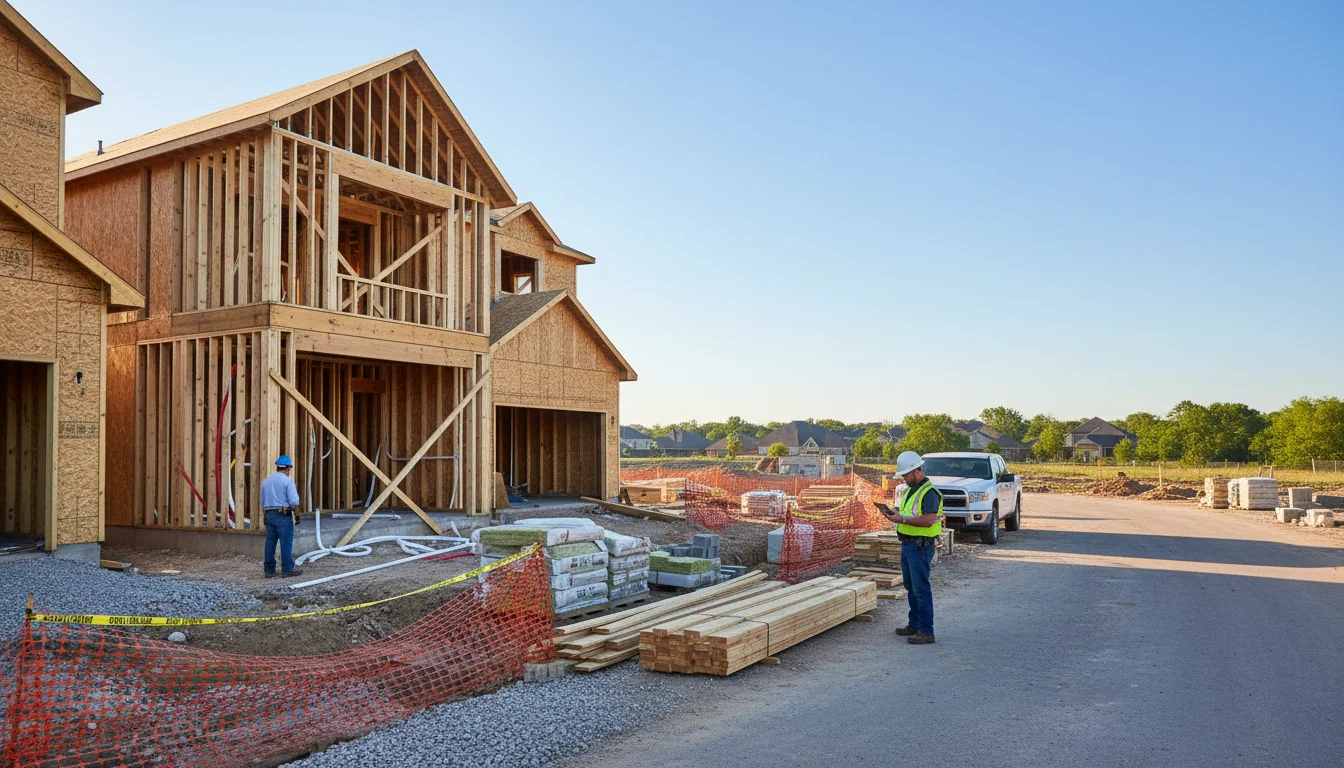
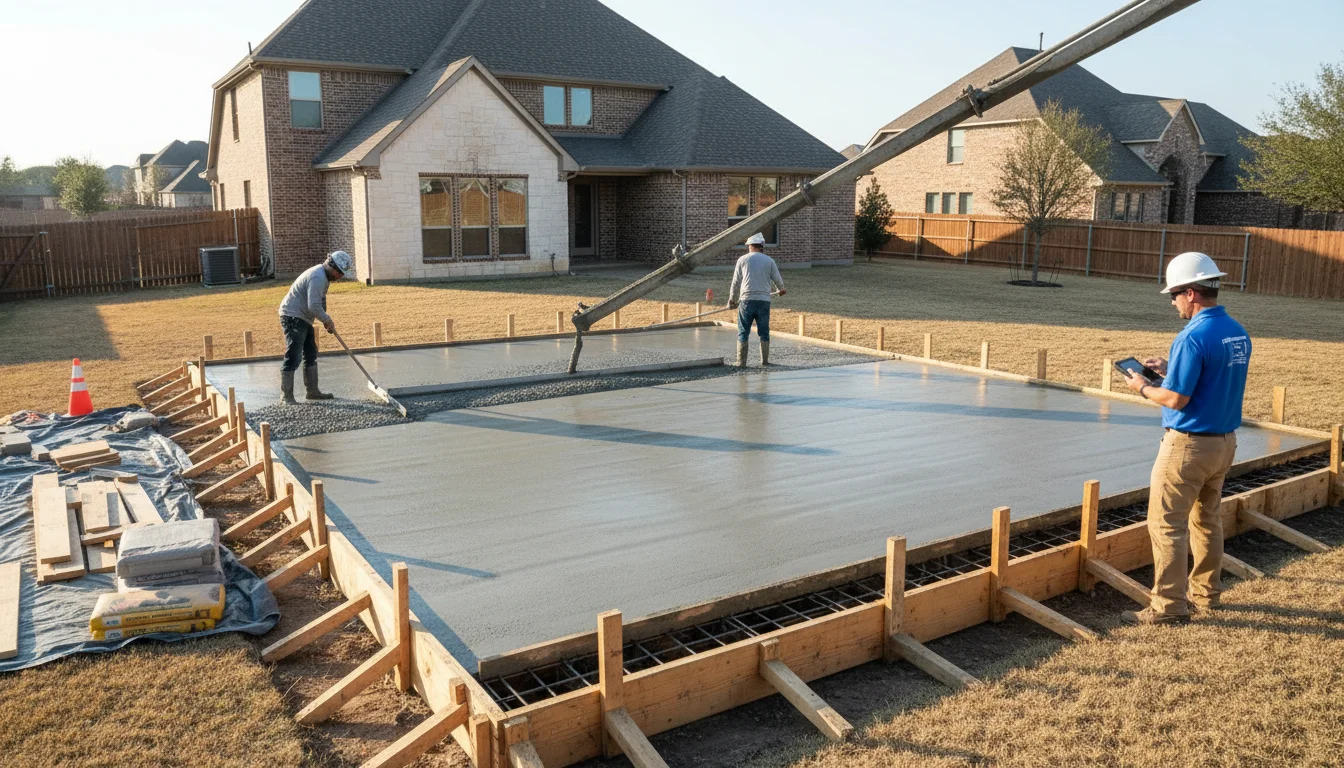



Whether you’re remodeling a home, expanding a business, or starting from the ground up, TriStar Built is here to guide you every step of the way. With a focus on craftsmanship, communication, and results that last, we make the construction process clear, smooth, and worth every investment.

LOCATION: 2126 James Street, Denton, TX 76205
PHONE: (940) 381-2222
© 2025 TRISTAR BUILT - ALL RIGHTS RESERVED | WEB DESIGN & SEO BY: Authority Solutions®