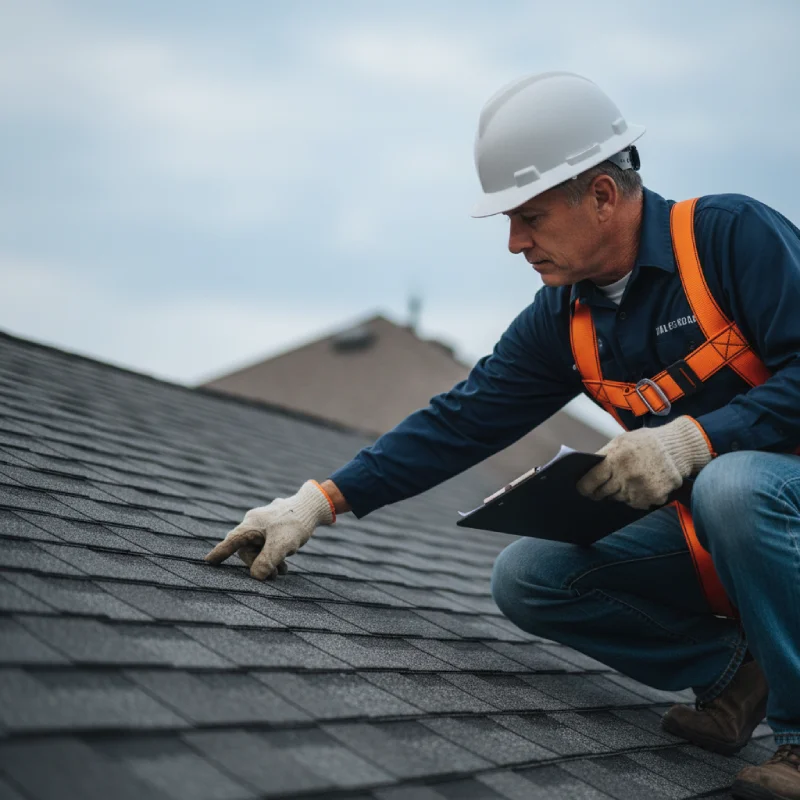
Experience matters when choosing Denton County roofers because seasoned contractors understand local building codes, HOA requirements, and extreme weather challenges—reducing risks of leaks, code violations, and unexpected expenses while delivering proven installation practices, strong supplier relationships, on-schedule projects, and reliable warranties backed by documented track records.
Experience matters when choosing roofers in Denton County, as seasoned contractors understand local codes, HOA rules, and weather challenges, reducing the risk of leaks, code violations, and unexpected expenses. They use proven installation practices, maintain strong supplier relationships, and keep projects on schedule. Their history of past inspections, solid warranties, and consistent reviews offers real evidence of reliability, safety, and value.
Although many roofing companies advertise quick fixes and competitive rates, proven experience is what truly reduces risk for Denton County homeowners. Seasoned roofers apply clear risk management practices before any work starts, beginning with verified licensing and complaint checks according to National Roofing Contractors Association guidelines, which helps prevent code violations, legal issues, and unfinished jobs. Homeowners can also look for long-standing local firms with A+ Better Business Bureau ratings as evidence of sustained, reputable experience in the area.
Experience also shows in structured quality assurance procedures. Firms with decades in business typically maintain high review scores, often above 4.5 stars, reflecting consistent performance across thousands of ratings. These companies understand local permitting delays, supply shortages, and weather patterns, so they plan projects realistically, reducing schedule and expense surprises. Their proven histories give homeowners practical evidence that the contractor can manage problems rather than create new ones.
| Risk Factor | How Experience Helps | Homeowner Protection |
| Code Violations | Know local requirements, HOA rules, and inspection standards | Prevents red tags, fines, and expensive rework |
| Material Failures | Select proven products for North Texas hail, wind, and heat | Reduces premature failures and early replacement needs |
| Installation Errors | Apply correct flashing, ventilation, and fastening techniques | Maintains manufacturer warranties and prevents leaks |
| Schedule Delays | Established supplier relationships and permit processes | Predictable timelines with fewer surprise extensions |
| Financial Problems | Documented insurance, bonding, and business stability | Legal and financial protection if issues arise |
Truly quality workmanship on a Denton roof shows up in details that homeowners can both see and verify, not just in how the shingles look from the street. It begins with architectural shingles that match HOA rules in places like Highland Village, installed over code-compliant decking at least 7/16 inches thick, with required drip edge and properly flashed vents. Roofers familiar with North Texas conditions often recommend architectural shingles that are thicker and longer-lasting than 3-tab options to better withstand hail and high winds.
Many Denton County homeowners discover that hiring a seasoned roofing contractor is not just about getting a good-looking roof—it is about saving real money over the life of that roof. Higher contractor competency shows in smarter material choices that better match local weather conditions, reducing premature failures and the need for early replacement. Veteran roofers correctly pair shingles, underlayment, fasteners, and ventilation, preventing leaks, rot, and damage to drywall or insulation.
Their established quality-control processes reduce repair callbacks and warranty disputes, while proper installation helps keep manufacturer warranties in force. Accurate, detailed estimates also limit surprise change orders and hidden expenses. Over time, better energy performance and fewer emergencies translate into improved customer satisfaction and more predictable ownership requirements.
| Benefit Category | Experienced Contractor Advantage |
| Material Selection | Choose proven products for local hail, wind, and UV exposure—reducing premature failures |
| Installation Quality | Correct techniques prevent leaks, maintain warranties, and eliminate expensive callbacks |
| Project Estimates | Accurate pricing with fewer change orders and surprise expenses during construction services |
| Energy Performance | Proper ventilation and insulation coordination lowers cooling bills year-round |
| Emergency Repairs | Better installation quality means fewer urgent repairs and storm damage claims |
A clear advantage seasoned roofers bring to Denton County homeowners is the ability to finish projects faster without cutting corners. Their experience creates streamlined workflows from the first phone call to the final cleanup, so projects move smoothly rather than stall. Veteran contractors mobilize quickly because they already have supplier relationships, permitting routines, and ready crews. They also understand the value of continuous improvement, refining each step after every job, which shaves hours or even days off timelines.
Before choosing a roofer in Denton County, a homeowner benefits from checking three key areas: licensing, insurance, and online reviews. By confirming RCAT licensing status and active insurance coverage, including liability and worker protections according to International Code Council building standards, a homeowner reduces the risk of expensive problems later. When these checks are paired with a careful look at recent online rating scores and review patterns, it becomes much easier to separate reliable contractors from those who may not meet local standards.
Choosing a roofer in Denton County starts with smart verification, not guesswork or gut feeling. Because Texas has no statewide roofing license, verifying contractor credentials and confirming work references becomes even more critical. Experience shows through documented approvals, not just promises.
Many homeowners focus on pricing and reviews, but confirming active insurance coverage is what truly protects them when something goes wrong on a Denton County roofing job. When validating roofer credentials, an experienced contractor will easily provide a current certificate of insurance, then encourage the homeowner to call the insurer to verify active status, dates, and limits. Knowledgeable homeowners also ask about general liability, workers' compensation, and proper bonding.
In Texas, reputable roofers often carry liability coverage of $300,000–$500,000, with many RCAT-certified contractors maintaining $1 million policies and workers' compensation. This coverage pays for property damage and bodily injury, so a single accident does not fall back on the homeowner. Choosing a roofer without it can be financially disastrous.
A smart way to narrow down Denton County roofers is to treat online rating scores as a starting point, not the final answer. Star numbers matter, but how those scores are built matters more. A 4.8 rating from 200 reviews usually indicates stronger reliability than a 4.9 rating from 5 reviews.
Homeowners should scan several platforms, compare patterns, and look for consistency in reviews over the last 12–24 months. They should also watch for suspicious spikes in vague 5‑star reviews and seek reputation confirmation through permits, inspections, and references by comparing Google, Yelp, and Better Business Bureau scores side by side.
When Denton County homeowners face roof trouble, they need clear guidance to decide if a targeted repair is enough or if a full replacement is the better move. By carefully assessing roof condition, including visible damage, leaks, and age, they can better understand whether the problem is isolated or part of a larger failure. With that insight, they can weigh long‑term considerations, comparing short-term repair savings with the greater protection, lifespan, and value that a new roof may provide.
How does a homeowner in Denton County know if a roof is a candidate for a simple repair or if it is time for a full replacement? An experienced roofer starts by studying moisture intrusion patterns, then matches those findings with roof age and material selection. Older roofs that are well-maintained may still accept focused repairs, while roofs past their expected life often justify replacement.
| Assessment Area | Repair Indicators | Replacement Indicators |
| Roof Age | Under 15 years with isolated damage | Over 20 years or approaching expected lifespan |
| Damage Extent | Localized to one area or section | Widespread across multiple roof planes |
| Leak Patterns | Single leak source, easily accessible | Multiple leaks or recurring water intrusion |
| Structural Issues | Sound decking and framing underneath | Sagging, spongy decking, or visible deformation |
| Expense Ratio | Repair under 30% of replacement expense | Repair approaching 40% or more of replacement |
Although many roofers advertise in Denton County, not all of them offer the same level of skill, protection, or reliability, so a careful comparison is essential before signing a contract. A homeowner who wants wise choices should first verify Texas licenses, bonding, and insurance, then confirm code compliance and reputable certifications. Local area expertise matters, especially with Denton's hail, wind, and storm repair history.
Denton roofing warranties from experienced companies usually last longer, cover more material options, and stay valid when homes are sold. These firms, often GAF-certified or holding similar manufacturer credentials, back strong wind and impact coverage while clearly defining labor terms and claim procedures. Newer companies usually offer shorter labor warranties with limited transferability and a greater risk of coverage being voided due to installation mistakes, leaving homeowners with weaker long-term protection and greater uncertainty. Experienced contractors also have established track records of honoring warranty claims and maintaining the business stability needed to support long-term commitments.
A homeowner should ask about the roof inspection timeline, including how long the visit and written proposal will take. They should include key questions for licensed contractors, such as proof of insurance, local licensing or RCAT certification, and bonding information. They also ask for a detailed written scope of work,a complete materials list with brand names, and warranty terms covering both materials and labor. Additional essential questions include who will supervise the crew daily, how site protection and cleanup are handled, what the payment schedule looks like, how change orders are processed, and what happens if weather delays the project or problems are discovered during installation.
A roofer's safety record directly shapes project reliability and homeowner liability exposure. Strong records show comprehensive safety protocols and solid employee training practices, reducing the chances of falls, injuries, and expensive delays. Fewer accidents mean the job finishes on time with less risk of damage to your property or surrounding landscaping. A poor safety history can complicate insurance and expose you to potential legal liability if an uninsured worker is injured on your property. Homeowners should always verify written safety policies, recent incident statistics, and confirm that the contractor maintains active workers' compensation coverage for all crew members—not just company employees but also subcontractors who may work on the roof.
Yes, experienced roofers can significantly help with insurance claims for storm damage in Denton County. They document hail and wind damage in detail with photos and measurements, match it to policy coverage specifics, and explain what should be covered under the claim based on industry standards. Through detailed reports and direct coordination with insurance adjusters, they reduce disputes over damage extent, support fair claim payouts, and guide homeowners from the initial inspection to final repairs. Experienced contractors understand local insurance company preferences, typical claim timelines, and how to ensure code-compliant, properly funded restoration that satisfies both the carrier and the homeowner while maintaining manufacturer warranty requirements.
A homeowner should first address contract disputes and communication breakdowns in writing, referring closely to the signed agreement, project timeline, and scope of work documentation. They document everything with photos, emails, and text messages, then request a calm face-to-face meeting to review issues and clarify expectations on both sides. If problems continue despite good-faith efforts to resolve them, they escalate to formal negotiation or mediation, which often resolves roofing disagreements without litigation. As a last step, they consult an attorney or follow any arbitration clause included in the contract. Experienced contractors typically have established dispute-resolution processes and prefer to resolve problems directly rather than risk their reputations through unresolved conflicts.
In the end, Denton County homeowners gain absolute protection when they choose roofers with proven experience and documented track records. Seasoned contractors reduce risks, deliver reliable workmanship, and help avoid expensive mistakes that can haunt homeowners for years. By carefully checking licenses, insurance, and reviews, residents can feel confident in their decision about whether they need targeted repairs or a full replacement. With the right professional, projects finish on schedule, budgets stay on track, and the roof stands strong, providing long-term value and peace of mind.
At TriStar Built, we've been serving Denton County homeowners since 2006 with the experience, credentials, and local knowledge that make the difference between a roof that merely looks good and one that performs reliably for decades. We understand North Texas weather—from baseball-sized hail to 100+ degree summers and occasional ice storms—and we know precisely which materials, installation techniques, and ventilation strategies work best in our climate. Our team maintains RCAT certification, comprehensive insurance, and a spotless reputation built on thousands of successful projects across Highland Village, Flower Mound, Lewisville, and throughout Denton County. We handle every detail from HOA approvals and city permits to manufacturer certifications and final inspections, treating your home as if it were our own. Contact TriStar Built today to schedule a thorough roof assessment and discover why experience, integrity, and local expertise matter when protecting your most important investment.


Whether you’re remodeling a home, expanding a business, or starting from the ground up, TriStar Built is here to guide you every step of the way. With a focus on craftsmanship, communication, and results that last, we make the construction process clear, smooth, and worth every investment.

LOCATION: 2126 James Street, Denton, TX 76205
PHONE: (940) 381-2222
© 2025 TRISTAR BUILT - ALL RIGHTS RESERVED | WEB DESIGN & SEO BY: Authority Solutions®