If you're selling a home in Denton, you've probably wondered what could tank your property's value before you even list it. Foundation cracks, unpermitted remodeling work, and even a foreclosure down the street can slash your sale price by 10–30% or scare off buyers entirely. Understanding which factors most affect home values—from structural defects and mold history to school district quality and neighborhood conditions—can help you price realistically, prioritize repairs, and avoid costly surprises at appraisal time.
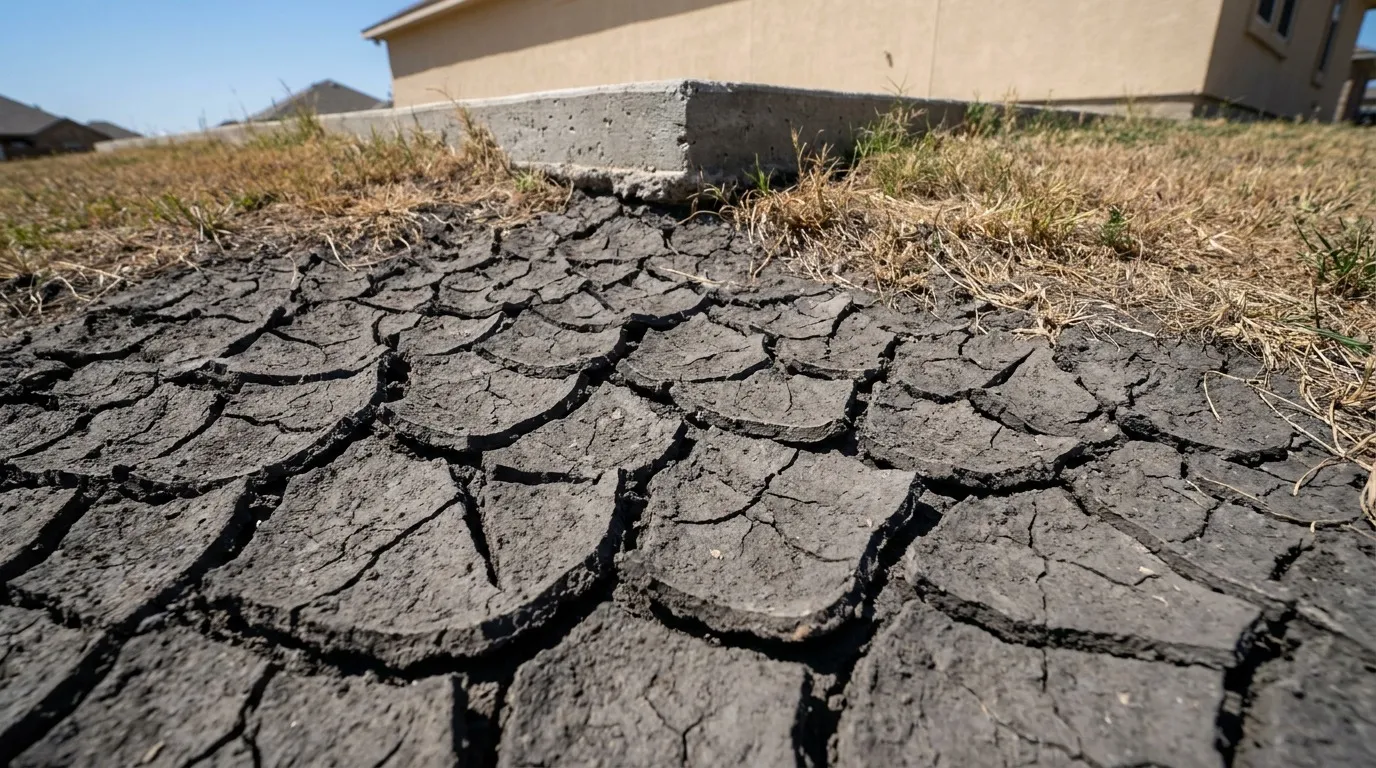
Foundation issues are among the most serious value killers in Denton. Cracks in the foundation, settlement, sloping floors, and bowing walls can knock 10–30% off your home's value immediately.
Buyers and lenders see foundation damage as a red flag for expensive future repairs. The cost to fix foundation problems typically ranges from $5,000 to $20,000 or more, depending on severity. Many buyers simply walk away rather than take on that risk.
Financing becomes a major obstacle when foundation issues are present. FHA and VA loans often require repairs to be completed before the sale can close. This forces sellers to either pay for expensive fixes upfront or accept a much smaller pool of cash-only buyers.
Older HVAC systems, outdated plumbing, worn electrical panels, and failing roofs create a compound effect that can reduce home values by 10–15% or more. Each aging system represents another negotiation point for buyers.
An HVAC system over 15 years old is considered near the end of its useful life. Buyers know they'll need to replace it soon, so they factor that $5,000–$10,000 expense into their offer price. The same logic applies to roofs, water heaters, and electrical panels.
Appraisers often mark homes with multiple aging systems as requiring repairs. This gives buyers leverage to demand credits, price reductions, or walk away entirely. Pest damage compounds the problem, especially in Denton's climate where termites are common.
Water damage history—even if professionally repaired—can reduce home values by 10–30%. Buyers worry about hidden problems and future issues, making them cautious about any property with a water damage disclosure.
Visible mold or undisclosed mold problems can drop property values by 10–53%, depending on severity. Lenders often require professional mold inspections and remediation before approving loans. Insurance companies may refuse coverage or charge higher premiums for homes with mold history.
Slow leaks behind walls are particularly dangerous because they're hard to detect during showings but cause extensive damage over time. By the time they're discovered during inspection, the repair costs can run into tens of thousands of dollars.
Flood zones significantly impact Denton home values. Currently, 8.4% of Denton properties face flood risk, with that number expected to rise to 9.2% within 30 years. Mandatory flood insurance requirements deter many buyers and add hundreds or thousands to annual housing costs.
Noise pollution from highways, trains, or proximity to DFW Airport can reduce property values by 9–12%. While rural parts of Denton are less affected, homes near major transportation corridors suffer measurable value loss.
Proximity to landfills, industrial facilities, or power lines typically reduces values by 3–10%. These features are rarely disclosed proactively but are easily discoverable through buyer research, creating trust issues during negotiations.
School quality drives home values more than almost any other neighborhood factor in Denton. Homes in low-rated school districts have median values around $155,000, while properties in top-rated districts command $300,000 or more.
Even buyers without children care about school ratings because they affect resale value and property taxes. A home in a mediocre school zone can sit on the market 160+ days while comparable properties in better districts sell within weeks.
High crime rates immediately reduce home values by 5–10% and create ongoing buyer avoidance. Violent crime impacts values more severely than property crime because it affects perceived safety.
Proximity to registered sex offenders can reduce property values by 4–17%, depending on distance and local market sensitivity. Buyers increasingly research these factors before making offers.
Foreclosed or vacant properties within 500 feet can reduce your home's value by 9.4%. This creates a cascading effect as neighborhoods destabilize—each distressed property drags down comparable sales for the entire area.
Poor upkeep in the surrounding neighborhood creates psychological stigma. Unkempt lawns, boarded-up houses, and visible disinvestment signal decline. Buyers flee these areas, reducing competition and driving down market values for all remaining homeowners.
First impressions matter enormously in real estate. Overgrown landscaping, peeling paint, broken driveways, and poor lighting can reduce both showings and appraisal values by up to 10%.
Buyers interpret poor exterior condition as a signal of deferred maintenance throughout the property. If the outside looks neglected, they assume the inside—and the systems they can't see—are equally problematic.
Mature, healthy trees and professional landscaping can add 10–28% to home values. Conversely, dying trees, overgrown shrubs, or bare dirt yards subtract value and create negative buyer perception before they even walk through the door.
Unknown liens, easements, boundary disputes, and unpermitted work cause financing delays, lower appraisals, or kill deals entirely. These issues must be disclosed, and failure to disclose creates serious lawsuit risk for sellers.
Unpermitted additions or remodels are particularly problematic. What a homeowner might view as value-adding improvements—like a bathroom remodel or kitchen expansion—can actually reduce marketability if proper permits weren't obtained. Lenders may refuse to finance properties with significant unpermitted work.
Restrictive covenants, HOA rules, and deed restrictions limit property use and appeal. High HOA fees ($200–$300+ per month is typical in many Denton developments) deter buyers or reduce the price they're willing to offer.
Denton County property taxes run approximately 2% effective rate for regular homeowners—significantly higher than the under 0.5% rate for agricultural-exempted parcels. This creates an inequitable burden that affects affordability.
When high HOA fees combine with rising property taxes and mortgage payments, many potential buyers simply can't afford the monthly cost. Homes with HOA fees sometimes trade at a discount compared to non-HOA properties in the same area.
Buyers increasingly factor total monthly housing costs—not just mortgage—into their offers. A home with $400/month in HOA fees and $6,000/year in property taxes requires a significantly lower purchase price to compete with a similar home that has lower carrying costs.
In buyer-friendly markets like current Denton, appraisal contingencies protect buyers but create risk for sellers. If the appraisal comes in below the agreed price, the seller must either accept the lower amount or risk losing the sale.
Home inspections typically cost $300–$500 and aren't legally required, but they're standard practice. Inspectors routinely find 15+ deficiencies in even well-maintained homes. Buyers use the worst findings as leverage to demand credits or price reductions.
Sellers face a difficult choice when inspection issues arise: pay for repairs before closing, offer a credit to the buyer, or accept a lower sale price. All three options reduce the seller's net proceeds.
Denton's real estate market is heavily driven by comparable sales (comps). Homes with nearby foreclosures, rental properties, or poor-condition comparables will see lower offer prices regardless of their own condition.
A few distressed sales in a small area can shift entire neighborhood comps down by 5–10%. This creates a domino effect where one homeowner's distress sale impacts every other property owner's equity.
Denton's affordability crisis—where home prices have outpaced local wages—is narrowing the buyer pool to investors, wealthy relocators, and cash buyers. Reduced competition gives buyers more negotiating power and pushes prices lower than historical trends would suggest.
A 1980s home in South Denton listed at $320,000 had hairline foundation cracks, a 22-year-old HVAC system, a roof patched three times, and old plumbing with minor leaks. The inspector documented all issues, and the appraisal came in at $270,000—a 15% discount.
The buyer demanded a $15,000 credit for repairs. The seller's options were to accept $285,000 or spend $40,000+ on fixes before relisting. The property ultimately traded at 11% below the initial list price, costing the owner $35,000+ in lost value.
Two similar homes—one in a mediocre-rated Denton ISD zone with $5,000/year property taxes, another in nearby Flower Mound with better schools and $3,000/year taxes. The Flower Mound home listed $30,000 higher but attracted multiple offers within two weeks.
The Denton home sat for 160+ days, underwent two price cuts, and eventually sold for $25,000 less than the Flower Mound comparable. The entire discount was driven by school quality and tax perception, not the physical property.
A home in a 100-year floodplain with previous flood damage (disclosed) required mandatory flood insurance at $1,200/year. Buyers factored this ongoing cost into affordability and offered $15,000 below comparable non-flood properties.
The appraisal came in at $305,000 versus the $320,000 asking price. The lender required an elevation certificate, causing delays. Multiple buyers backed out during due diligence. The home eventually sold to a cash investor for $290,000.
After professional mold remediation following water damage, a seller provided full documentation. The lender and buyer still demanded additional verification from an independent inspector and mold specialist, costing $1,500.
The buyer's specialist discovered a different mold strain in the basement. The deal became contingent on an additional $5,000 in remediation. Frustrated, the seller lowered the price by 8% to move the property. The home took 180 days to sell versus a 90-day neighborhood average.
If you're concerned about foundation issues, water damage, or other factors affecting your Denton home's value, Tristar Built is here to help. With nearly two decades of trusted local expertise serving the Decatur and Denton area, we provide transparent assessments and quality repairs that protect your investment. Call (940) 280-0080 or visit https://www.tristarbuilt.com/ to discuss your home's specific needs with our team.



Whether you’re remodeling a home, expanding a business, or starting from the ground up, TriStar Built is here to guide you every step of the way. With a focus on craftsmanship, communication, and results that last, we make the construction process clear, smooth, and worth every investment.

LOCATION: 2126 James Street, Denton, TX 76205
PHONE: (940) 381-2222
© 2025 TRISTAR BUILT - ALL RIGHTS RESERVED | WEB DESIGN & SEO BY: Authority Solutions®