Water damage restoration in Denton requires construction-led thinking because once water compromises walls, floors, cabinetry, or structural elements, lasting recovery depends on smart rebuild decisions, skilled trade sequencing, and material-level precision rather than cleanup alone.
Water damage can seem manageable once the standing water is gone and the surfaces look dry. The first wave of urgency passes. Even so, most Denton property owners are left staring at damaged materials, disrupted spaces, and a home or business that no longer feels fully secure. The gap between "dry" and "restored" is where the real work begins, and that work is fundamentally a construction problem.
Real recovery starts after mitigation wraps up. Demolition, repair sequencing, material selection, and finish quality all come into play once the space is safe to work in. For homes and businesses across Denton County and North Texas, that transition from cleanup to rebuild is where a construction mindset protects both your timeline and your budget. Without it, recovery tends to stall or drift toward decisions that cost more to fix later.
Mitigation addresses the emergency. It stops active damage, dries the space, removes standing water, and makes the property safer to work in. That matters, but it does not bring the space back to its original state. Once the mitigation crew packs up, the property is stable but far from whole.
After water exposure, damaged drywall, ceiling materials, flooring, trim, cabinetry, and built-ins still need to be removed, replaced, and rebuilt in the correct order. If that sequencing is rushed or disconnected from a clear plan, the end result can feel patchy rather than truly restored.
Here is what typically remains after mitigation is complete:
The IICRC S500 standard outlines detailed procedures for professional water damage restoration, but it acknowledges that correcting the underlying source and performing full reconstruction fall outside the scope of mitigation alone. That is why a builder's mindset matters here. The quality of reconstruction shapes how complete, functional, and dependable your property feels when recovery is finished.
Most property owners in Denton assume that the company handling cleanup will also handle the rebuild. Sometimes that is true. More often, mitigation and reconstruction are separate scopes handled by separate teams, and the handoff between them is where timelines stretch and costs climb.
Construction-led recovery means the rebuild side of the project has structure from the start. Someone is thinking about material lead times, trade sequencing, permit requirements, and insurance documentation before the first piece of new drywall goes up.
| Phase | Mitigation Focus | Construction Focus |
| Assessment | Identify water source and stop damage | Evaluate structural impact and plan rebuild scope |
| Removal | Extract water and dry the space | Demolish damaged materials in a sequence that protects adjacent finishes |
| Documentation | Record moisture readings and damage extent | Produce detailed Xactimate estimates for insurance alignment |
| Coordination | Interface with property owner and adjuster | Manage trade scheduling, material procurement, and permit timing |
| Completion | Verify dryness and release the space | Rebuild, inspect, and walk through the finished result |
That structure matters because water damage restoration in Denton tends to move more smoothly when the rebuild is managed with clarity. One dedicated project lead, coordinated trades, and a documented scope prevent the kind of patchwork decisions that cause delays and rework.
A stronger process usually includes a clear site assessment, coordination with the mitigation team, detailed estimating through Xactimate, smarter sequencing across trades, one dedicated project lead, and a final walkthrough with workmanship support. When those elements are in place, the property owner is not managing the rebuild by themselves.
In Denton, this distinction shows up clearly after the spring storm season. Properties hit by wind-driven rain or flash flooding often need both roof repairs and interior reconstruction. When those scopes are managed by separate vendors with no shared plan, the interior rebuild can stall while the roof scope drags. A construction-led team manages both under one project lead, keeping the schedule moving and preventing the coordination gaps that add weeks to recovery.
Once mitigation is complete and the space has been verified dry, the construction phase follows a specific order. Skipping steps or compressing the sequence leads to callbacks, rework, and finishes that do not hold up.
Here is how a typical reconstruction sequence unfolds in Denton County after water damage:
Each step depends on the one before it. Hanging drywall before rough-in inspections pass means tearing it out again. Installing flooring before moisture levels stabilize can lead to warping and replacement within months. That kind of sequencing discipline is second nature on a construction site, but it is often missing when restoration work is managed without a builder's perspective.
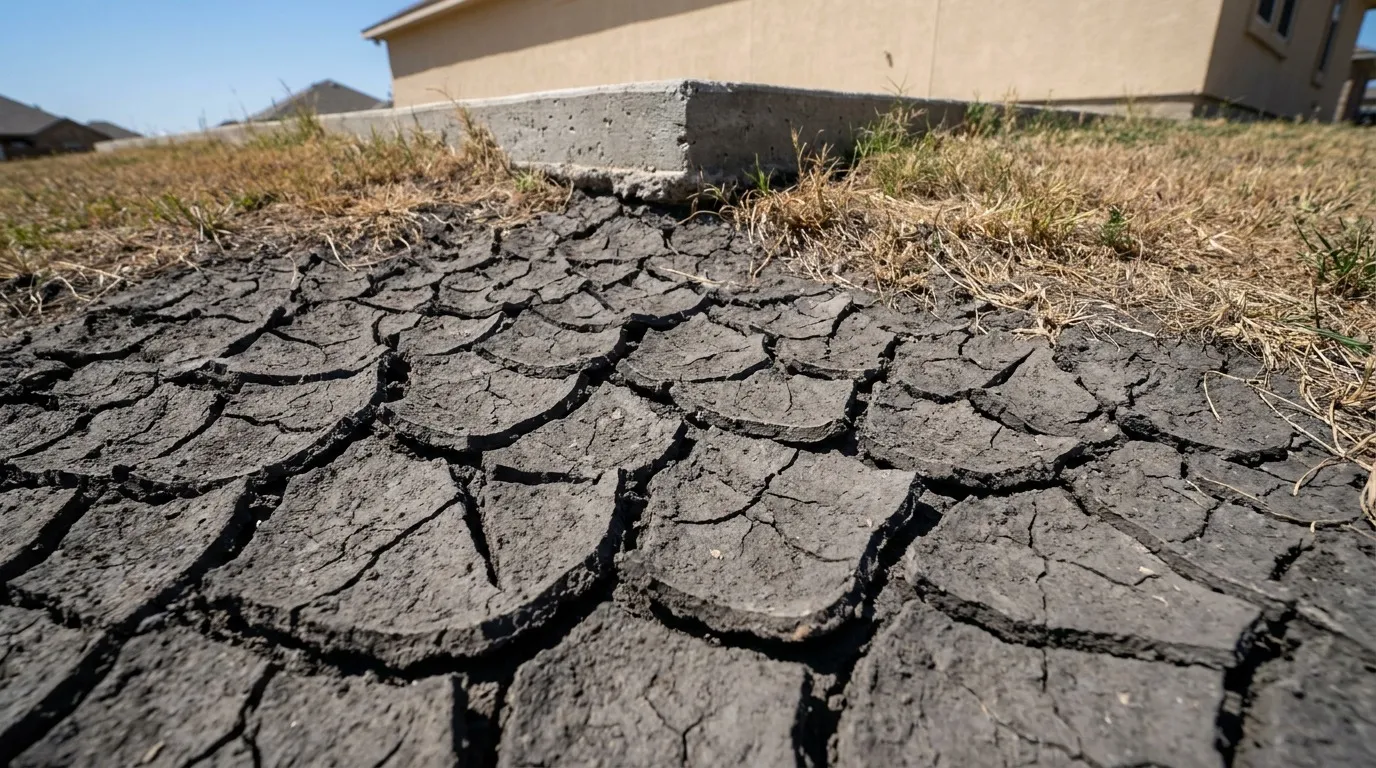
North Texas weather adds another layer. Denton County sits in a region where seasonal moisture swings, water damage from storm events, and expansive clay soil behavior all affect how materials perform after installation. A rebuild plan that accounts for those conditions produces results that last. One that ignores them creates problems that surface six months later.
After water damage, most property owners are not just trying to replace materials. They want the space to feel functional, finished, and dependable again. The difference between a repair that looks complete and one that actually performs comes down to how the work was scoped and managed.
In a home, that often means restoring comfort, a cohesive layout, and consistent finishes across affected rooms. A kitchen with one section of new flooring that does not match the adjacent hallway does not feel restored. Cabinetry that was reinstalled without addressing the moisture path behind the wall is a callback waiting to happen.
In a business, the stakes shift toward operational continuity. Reopening faster, reducing disruption to daily operations, and protecting how customers or staff move through the space all matter. A restaurant with a water-damaged kitchen that gets patched but not properly rebuilt risks code violations and health department scrutiny.
| Property Type | Common Recovery Goals | Where Construction Thinking Helps |
| Single-family home | Match existing finishes, restore daily function, protect resale value | Material matching, proper sequencing, and finish consistency across rooms |
| Multi-family or rental | Minimize vacancy time, meet landlord-tenant obligations, and document repairs | Fast-track scheduling, code compliance, and insurance documentation |
| Retail or restaurant | Reopen quickly, maintain customer experience, and pass inspections | Phased rebuild, ADA compliance, coordination with health and safety codes |
| Office or commercial | Reduce employee disruption, protect equipment and records, and maintain image | Trade coordination, after-hours scheduling, and data infrastructure protection |
That is why construction services in Denton matter in this conversation. The rebuild has to support how the property is actually used, not just cover over what got damaged. A construction-led approach connects the scope of work to the property's real function, not just its surface appearance.
Denton County properties range from newer builds in master-planned communities to decades-old homes near the downtown square. Each property type has different material standards, code requirements, and finish expectations. A reconstruction plan that accounts for those differences yields a result that feels like it belongs in the space, not like a repair bolted onto it.
Insurance is part of almost every water damage restoration project in Denton, and how the rebuild scope is documented directly affects what gets covered. Mitigation companies document moisture readings and the extent of damage. That documentation matters, but it does not always translate cleanly into a reconstruction estimate.
A construction-led approach brings Xactimate proficiency to the table. Xactimate is the industry-standard estimating platform used by most insurance carriers. When the rebuild scope is documented in Xactimate from the start, the estimate speaks the adjuster's language. That alignment reduces back-and-forth, accelerates approvals, and protects the property owner from gaps between what was damaged and what gets funded.
Here is where that coordination typically matters most:
Without that documentation discipline, property owners in Denton County often end up covering the gap between what insurance approves and what the rebuild actually costs. That gap is avoidable when the construction team manages the estimate in parallel with the work.
Most Denton homeowners carry standard HO-3 policies that cover sudden and accidental water damage but exclude flood and gradual leaks. Understanding what the policy covers and documenting the reconstruction scope in a format the carrier expects prevents surprises at the end of the project. A construction team that handles insurance coordination as part of the rebuild removes that burden from the property owner.
Short-term repair decisions can leave property owners with mismatched finishes, repeated work, and a rebuild that does not age the way it should. This is a common pattern in Denton when the mitigation company hands off the space and no one picks up the construction scope with a clear plan.
A construction-led approach brings more discipline to the process. It looks at material quality, repair standards, insurance coordination, and the order in which the work needs to happen before the first trade shows up on site.
| Short-Term Fix Pattern | Construction-Led Alternative |
| Cheapest available drywall patched in without matching texture | Full-wall replacement with texture matching to adjacent surfaces |
| Flooring replaced in damaged rooms only, creating visible transitions | Flooring scope extended to natural break points for visual continuity |
| Cabinetry was reinstalled without addressing the moisture path behind the walls | Moisture barrier installed, framing inspected, then cabinetry reset |
| Electrical left untouched because "it still works" | Licensed electrician inspects and certifies all affected circuits |
| No final walkthrough or punch list | Documented walkthrough with workmanship support after completion |
That bigger-picture view matters when the rebuild is part of a water damage restoration project in Denton. Instead of bouncing between disconnected fixes managed by different vendors, the property owner gets a path that is built to restore the property with greater consistency, durability, and confidence.
Construction-led thinking also protects resale value. A home that was water-damaged and professionally reconstructed with documented scope, permitted work, and code-compliant finishes tells a different story than one that was "fixed up" with no paper trail. For Denton County homeowners, that distinction matters when it is time to sell.
TriStar Built handles reconstruction after water damage from burst pipes, appliance failures, storm flooding, roof leaks, and sewage backups. The team covers demolition, structural repair, finish restoration, and insurance coordination for both residential and commercial properties across Denton County.
Timeline depends on damage severity and scope. Minor single-room rebuilds may take one to two weeks after mitigation. Larger projects involving multiple rooms, structural repairs, or insurance supplement approvals can extend to four to eight weeks.
Yes. TriStar Built produces Xactimate-based estimates that align with how insurance adjusters evaluate claims. The team coordinates scope agreement, supplement documentation, and final invoice reconciliation throughout the rebuild process.
Mitigation stops active water damage through extraction, drying, and decontamination. Reconstruction is the building phase that follows, covering demolition of damaged materials, structural repair, trade coordination, and finish restoration to return the property to pre-loss condition.
Incorrect sequencing causes rework and wasted materials. Electrical and plumbing rough-ins must pass inspection before drywall closes. Flooring cannot go in until moisture levels stabilize. Each step depends on the one before it, and skipping ahead creates problems that cost more to fix later.
Yes. Prolonged water exposure can saturate the expansive clay soils common across Denton County, causing soil movement that affects foundation performance. A construction-led assessment evaluates not just interior damage but also drainage, grading, and structural indicators that standard mitigation does not cover.
Water damage restoration in Denton is not a single-phase project. Mitigation handles the emergency. Construction handles everything after that, from demolition and trade sequencing to material selection and final finishes. When those two phases connect through a structured plan, the rebuild moves faster, costs stay closer to the estimate, and the finished result actually holds up.
You do not have to guess your way through recovery once mitigation is done. At TriStar Built, we bring restoration and construction experience, insurance coordination support, skilled craftsmanship, and clear communication to homes and businesses across Denton County and North Texas. The next step should feel organized, informed, and built to last.
Call (940) 280-0080 to talk through the damage and take the next step toward a rebuild that restores your property the right way.
Schedule your water damage restoration assessment with TriStar Built and get a structured rebuild plan that protects your timeline, your budget, and the long-term value of your property.


Whether you’re remodeling a home, expanding a business, or starting from the ground up, TriStar Built is here to guide you every step of the way. With a focus on craftsmanship, communication, and results that last, we make the construction process clear, smooth, and worth every investment.

LOCATION: 2126 James Street, Denton, TX 76205
PHONE: (940) 381-2222
© 2025 TRISTAR BUILT - ALL RIGHTS RESERVED | WEB DESIGN & SEO BY: Authority Solutions®